
SUMMARY
POISON: Toxic - Medically Significant
PREVALENCE: Common
ACTIVE PERIOD: Active at night
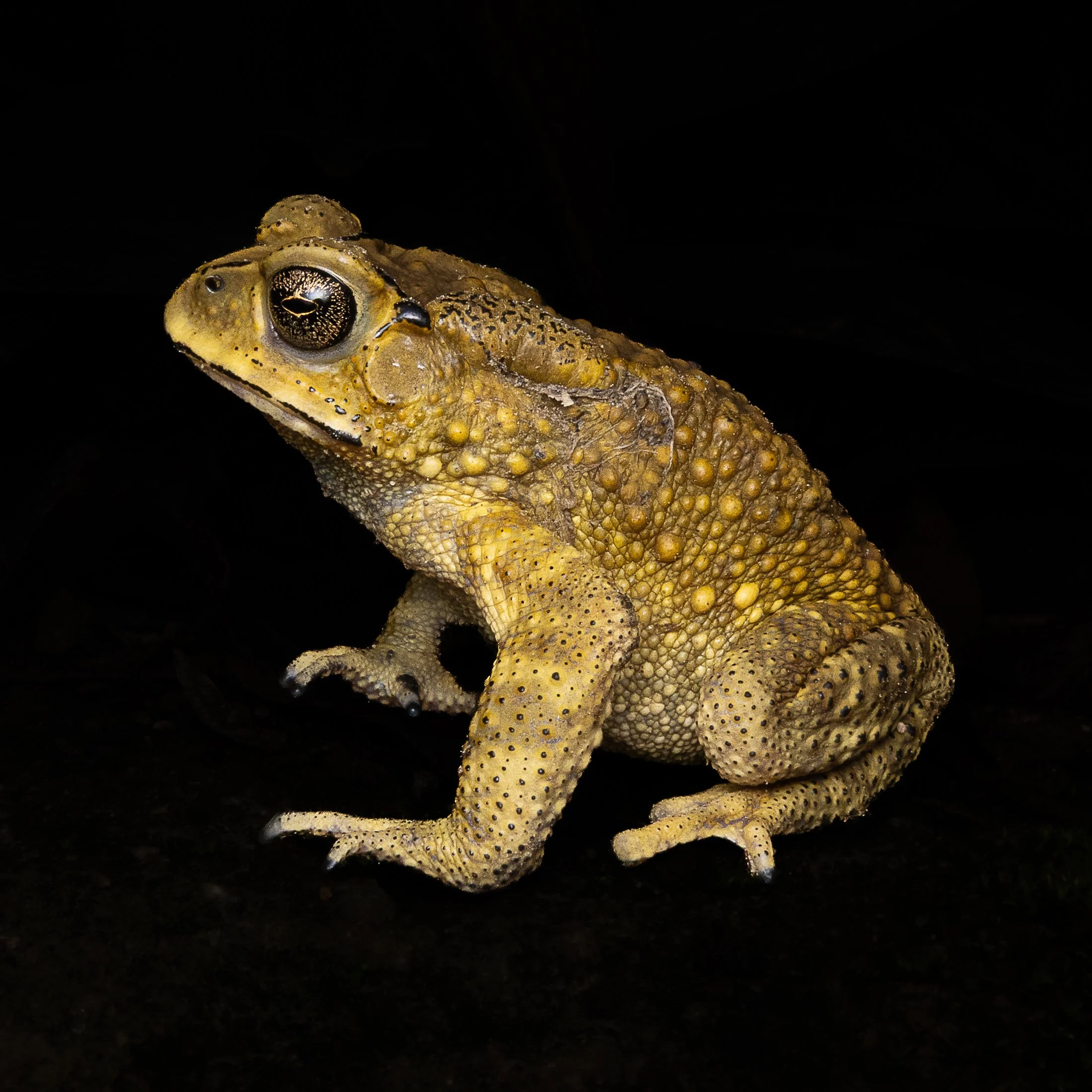
KEY ID FEATURES: Large parotoid glads on the back of the head, body covered in bumps and tubercles
SIZE: ~5-9cm (males/females)
IUCN: NT - Near Threatened
VENOM REVIEW*
COMPOSITION: Bufotoxin
GALLERY
IMPORTANT: Many frogs have significant variance in coloration and pattern even within the same species. There can also be extreme differences in appearance from juveniles to adults and some species appear very similar in maturity.
DESCRIPTION
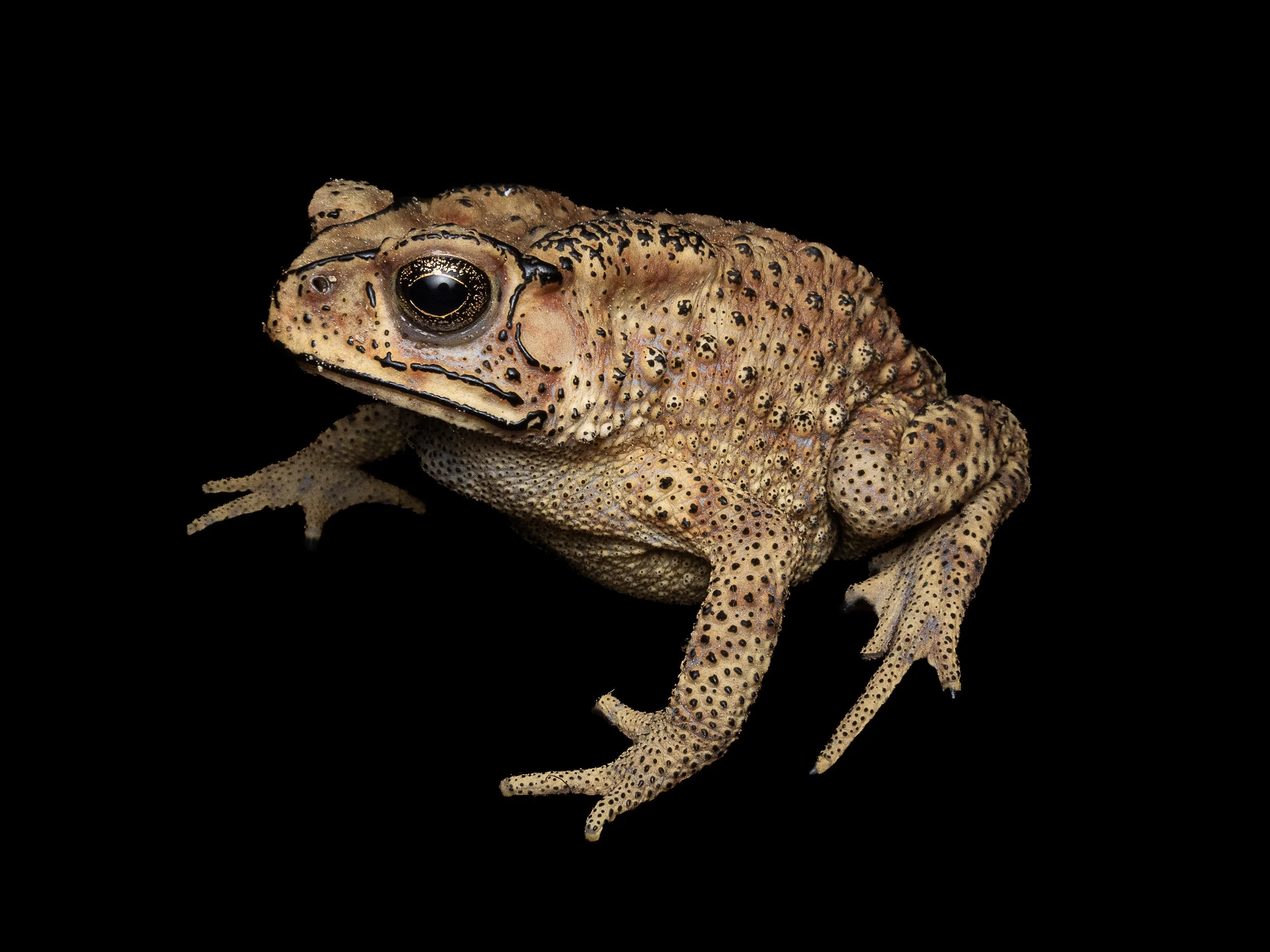
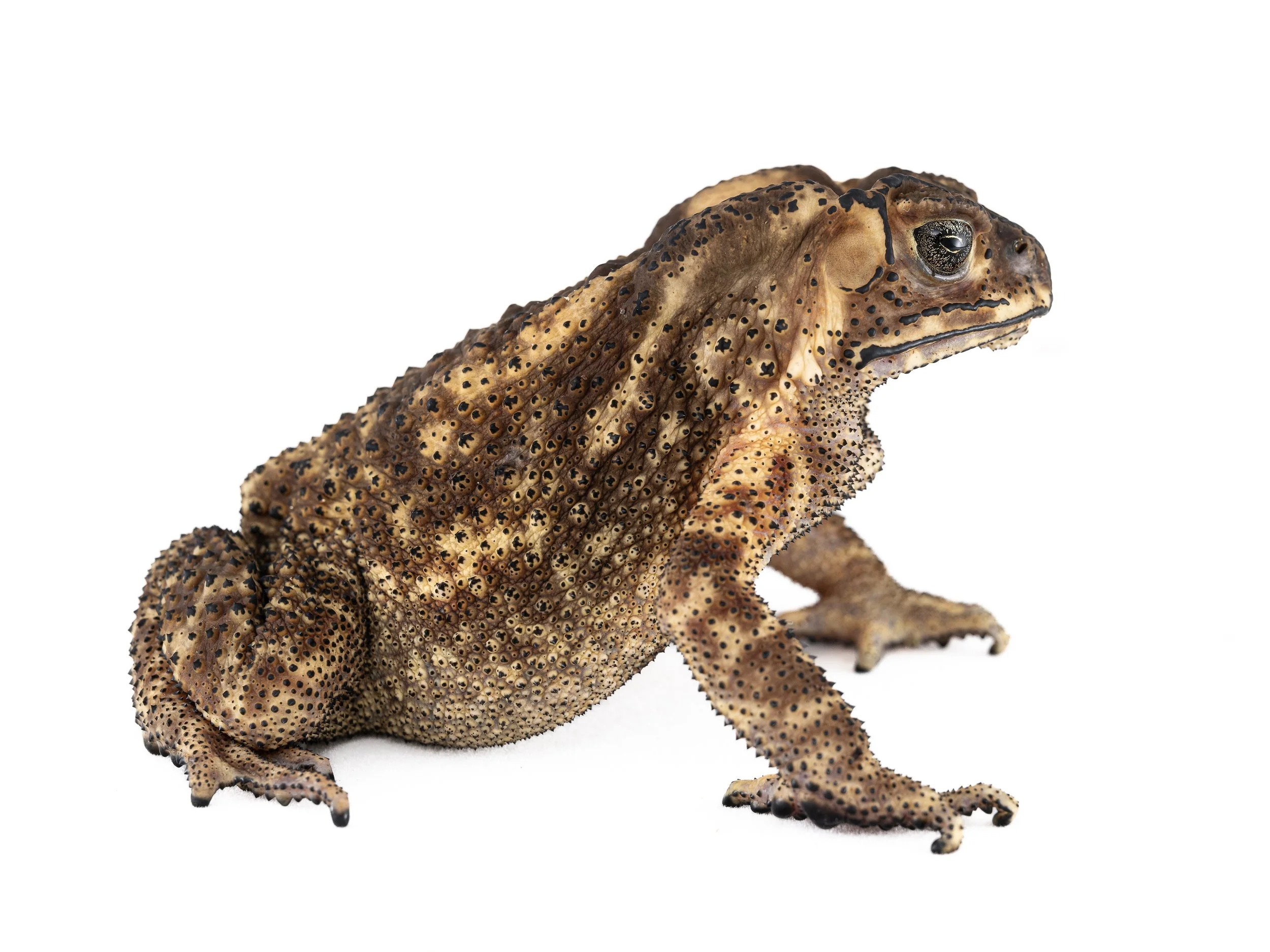
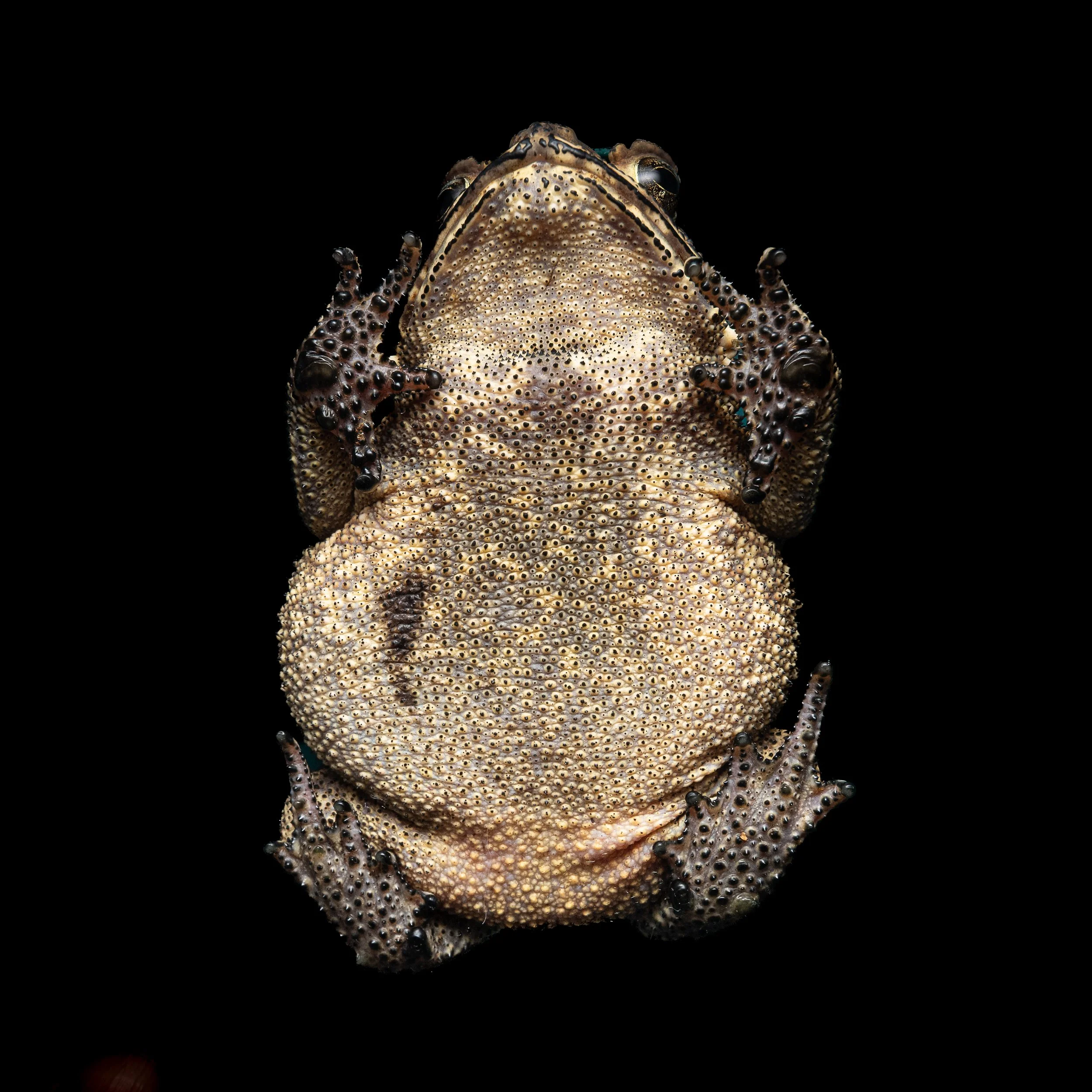
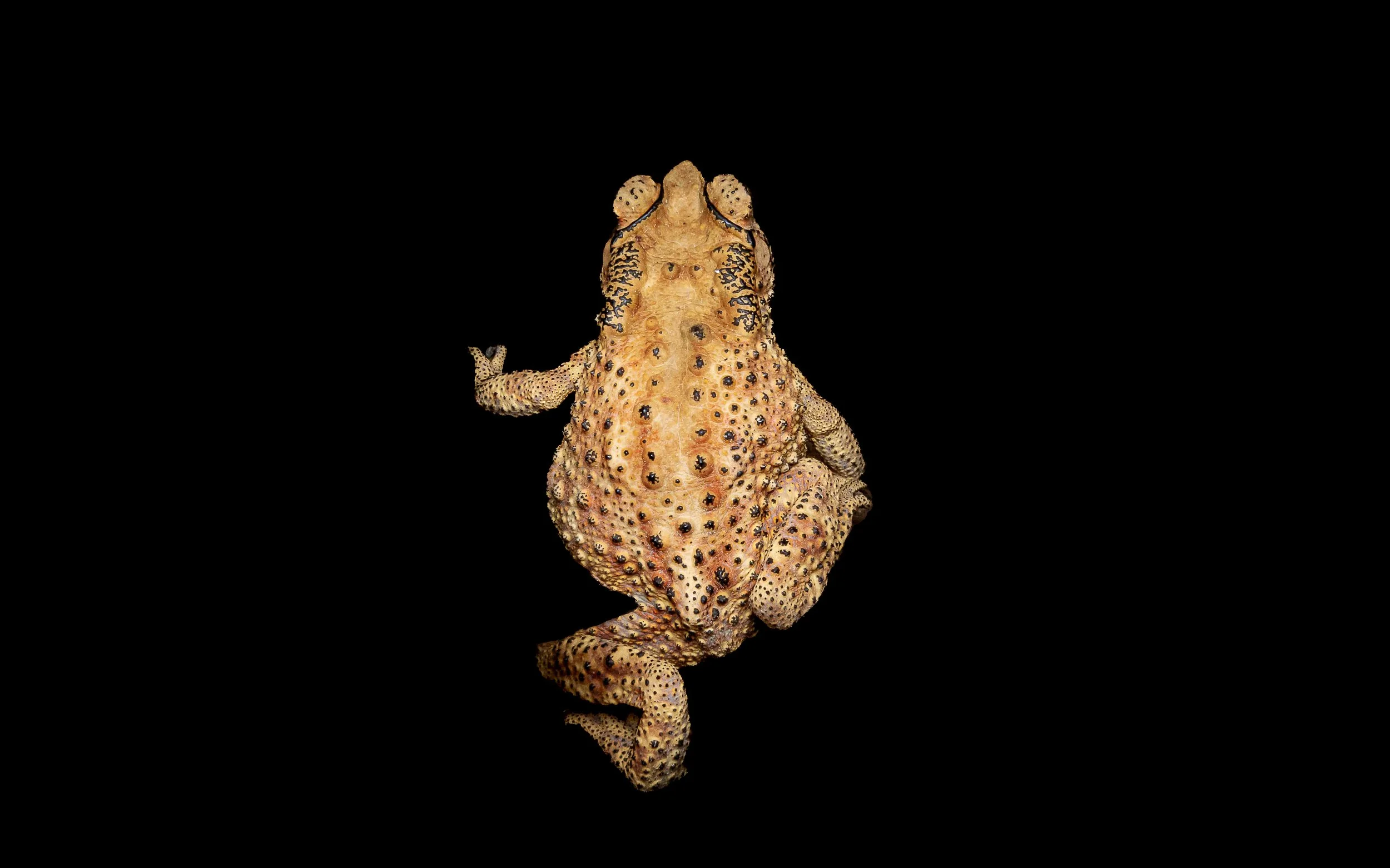
The Asian common toad is sexually dimorphic with males having long thin arms as well as chest and limb spines all to aid in tightly gripping females during mating. Males are smaller in maturity than females at 5-6cm in length vs ~9cm for females. They are also polymorphic, which in this case refers to the fact that they can be many different colors. They are most commonly a pale yellow, but can also be bright yellow, all black, light yellow with red spots, greenish brown and many slight variations of each of these noted color schemes.
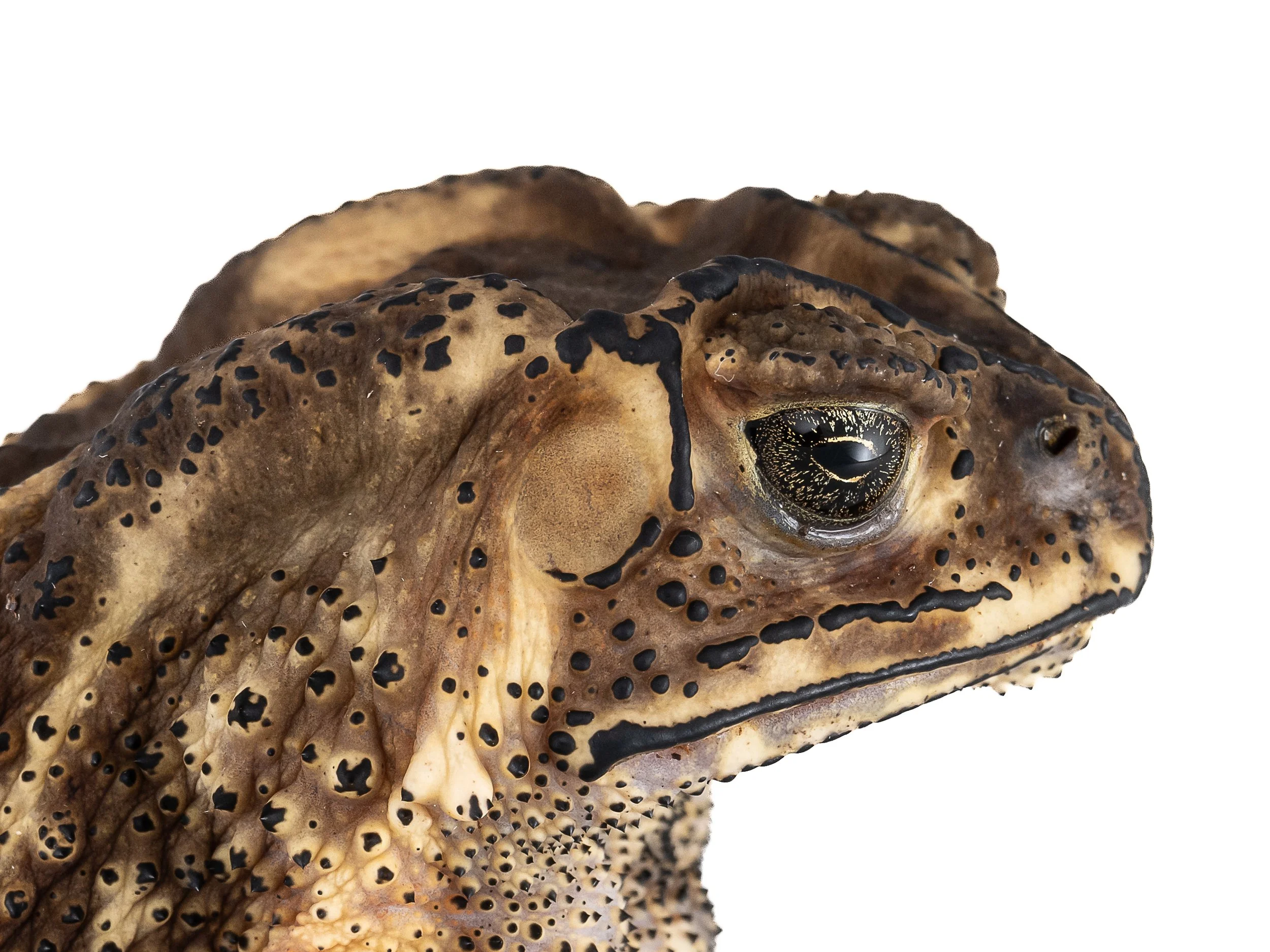
Regardless of color and size, the Asian common toad has several characteristics consistent amongst individuals. First, they have relatively stout bodies and short hind legs compared to many of Hong Kong’s frog species, and are not especially strong jumpers, though they are capable climbers and have been seen scaling near sheer walls. They have short, wide heads with the tympanum located just behind the eye, separated by a small ridge that also runs over the eye, along the snout and terminating above the nostril. They are dry to the touch, unlike many frog species whose skin is coated in a thin film of mucus that aids in breathing and as a guard against certain pathogens. The Asian common toad is also covered in small granular bumps and rounded tubercles with only the head and snout being smooth. They also have large prominent lumps on top of the neck just behind the head called parotoid glands which can secrete poison when the toad is under attack.
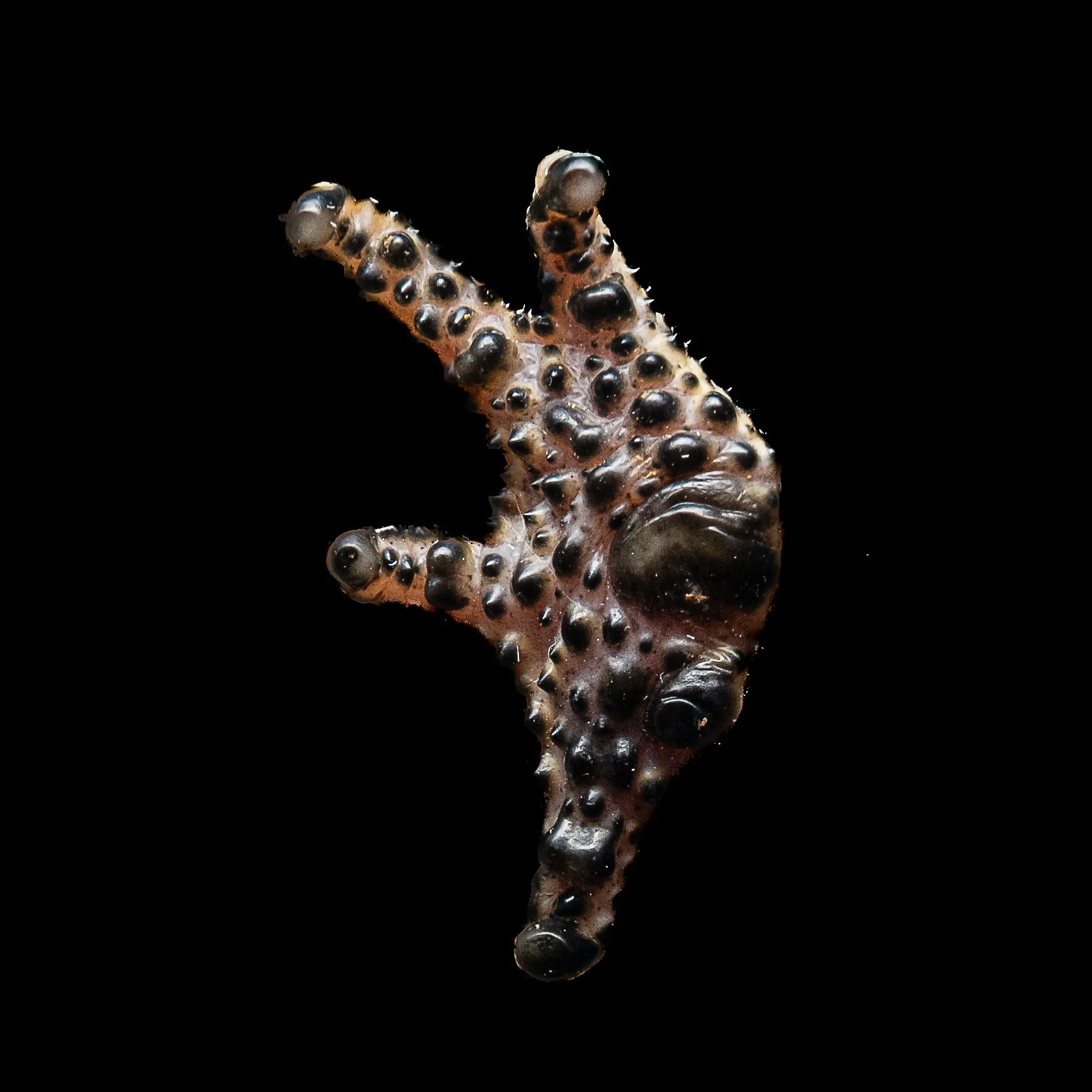
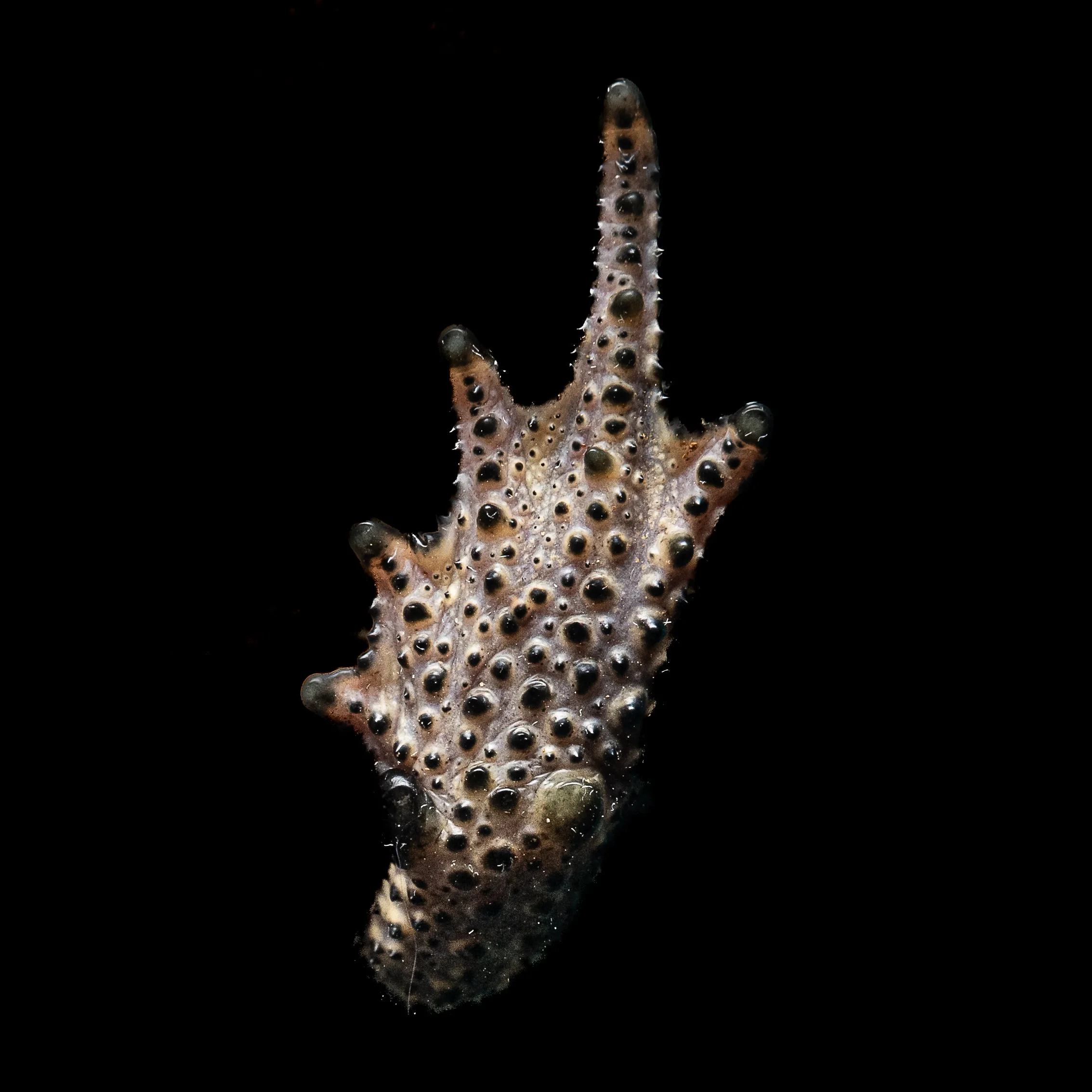
The underside of the feet on the forelimbs are covered in large granules with no webbing. The feet on the hindlimbs are also covered in large granules and with webbing nearly complete between all digits except for the elongated fourth digit where the webbing stops roughly halfway.
BEHAVIOR
The Asian common toad is Hong Kong’s only true toad (member of the Family “Bufonidae”), and one of Hong Kong’s most frequently encountered amphibians due to its widespread, strong populations and its propensity, as with most true toads, to spend significant amounts of time on land away from water, including in populated spaces.
The parotoid glands on the head can secret a milky poison if the toad is threatened or attacked. The poison, known as “bufotoxin”, can be a serious irritant to the eyes, and if ingested can cause serious discomfort, nausea, and even death in certain animals. It is also an irritant to humans if exposed to they eyes, and though not likely to be fatal, if ingested if could cause serious discomfort, and in certain cases it is possible that serious complications or worse could arise.
HABITAT
One of the most widespread and common of Hong Kong’s amphibians, Asian common toads can be found almost everywhere from city center parks, to mountain peaks, wetland, forest, grassland etc…
MISTAKEN IDENTITY
CAUTION SHOULD TAKEN WHEN INTERACTING WITH AMPHIBIANS: The Asian common toad, as Hong Kong’s only true toad, is unique in appearance and not easily confused with other species.