
SUMMARY
PREVALENCE: Rare
ACTIVE PERIOD: Active at night
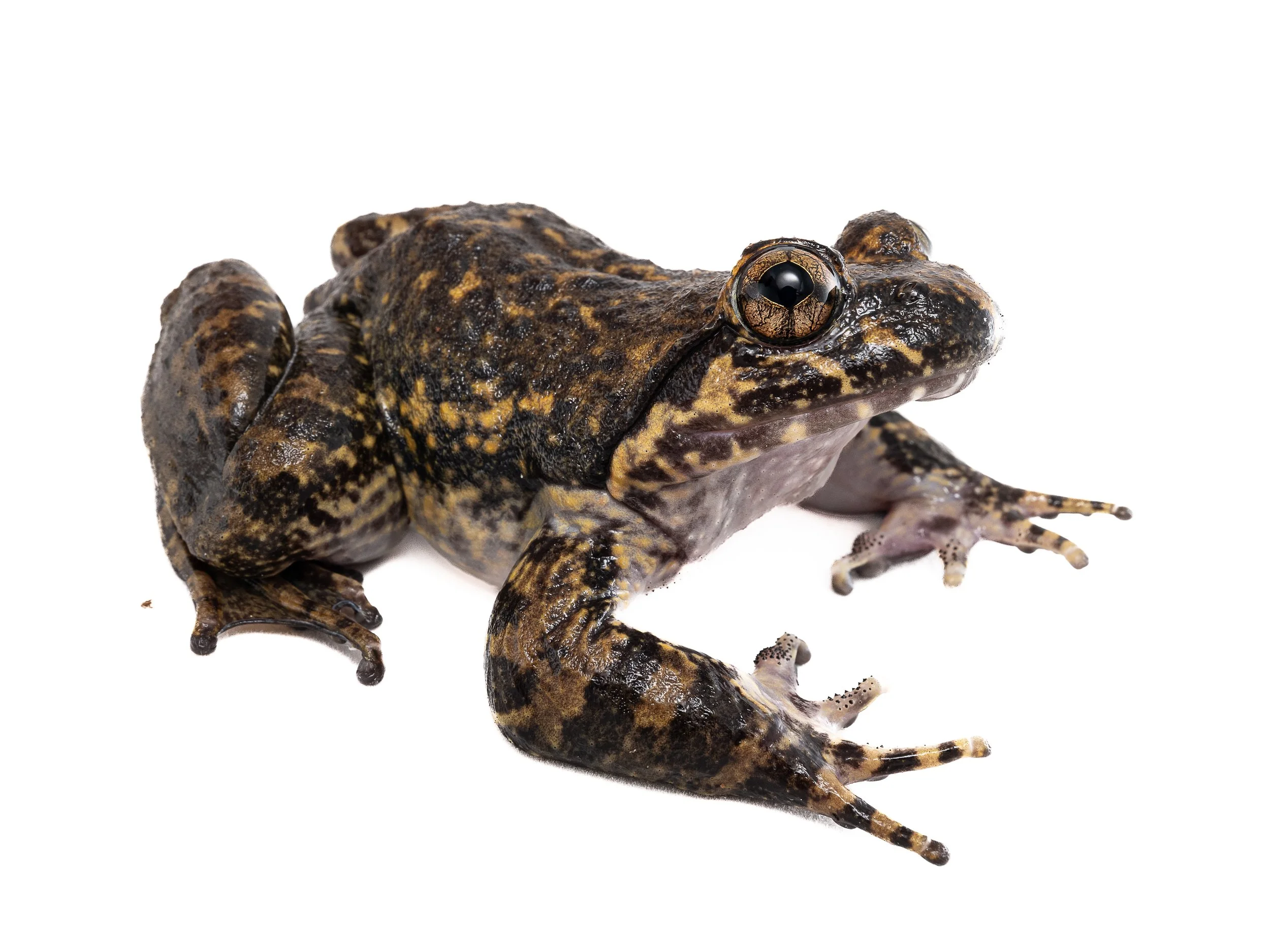
KEY ID FEATURES: Very large, only found on one mountain peak in Hong Kong, rugose skin absent tubercles, males with chest and forelimb spines during mating season
SIZE: ~13cm
IUCN: V - Vulnerable
GALLERY
IMPORTANT: Many frogs have significant variance in coloration and pattern even within the same species. There can also be extreme differences in appearance from juveniles to adults and some species appear very similar in maturity.
DESCRIPTION
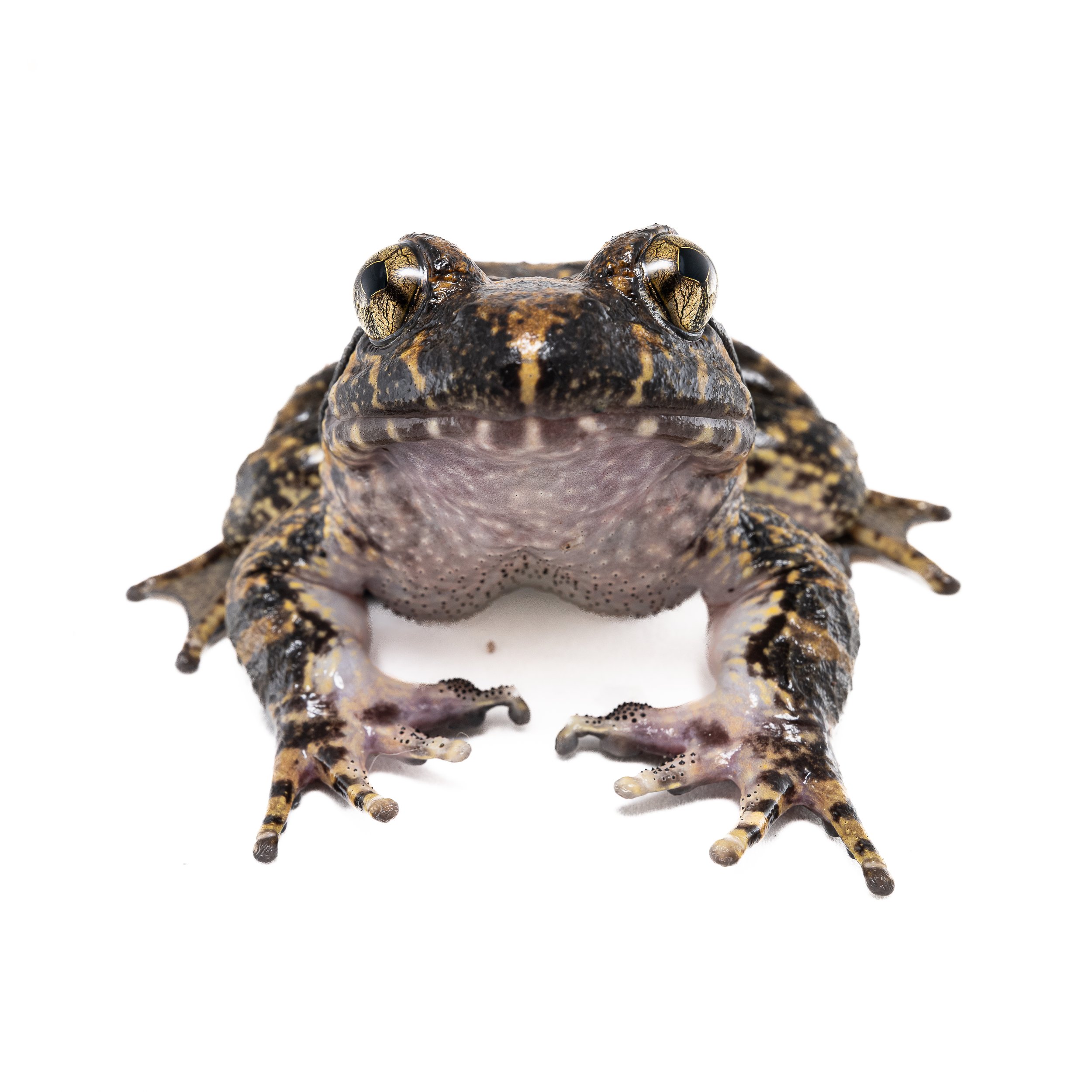
The giant spiny frog is a large species with a robust build that has a highly restricted range, and as a result is a rare encounter. They are a large predatory frog that can eat anything from insects to fish, reptiles or even small mammals.
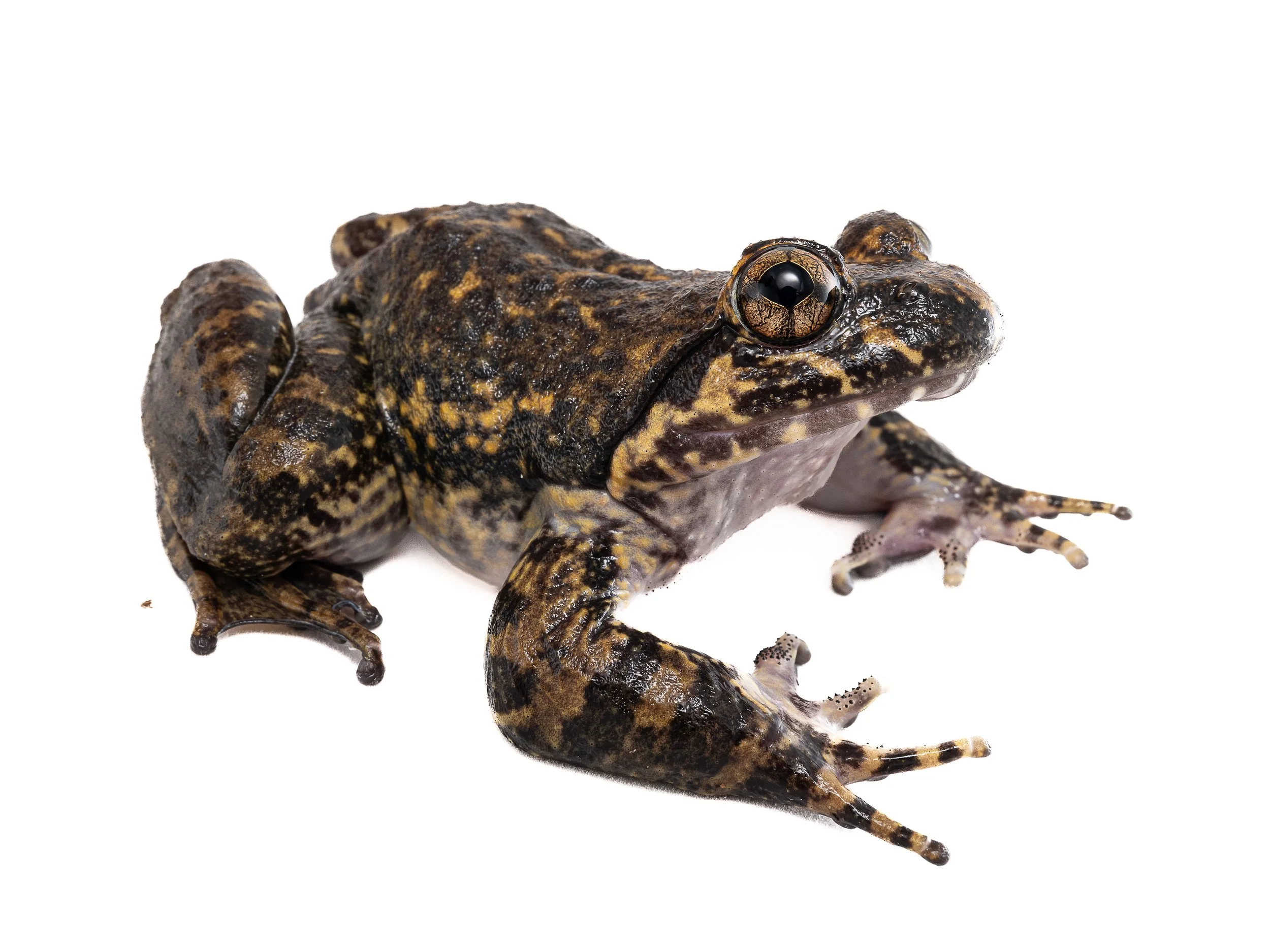
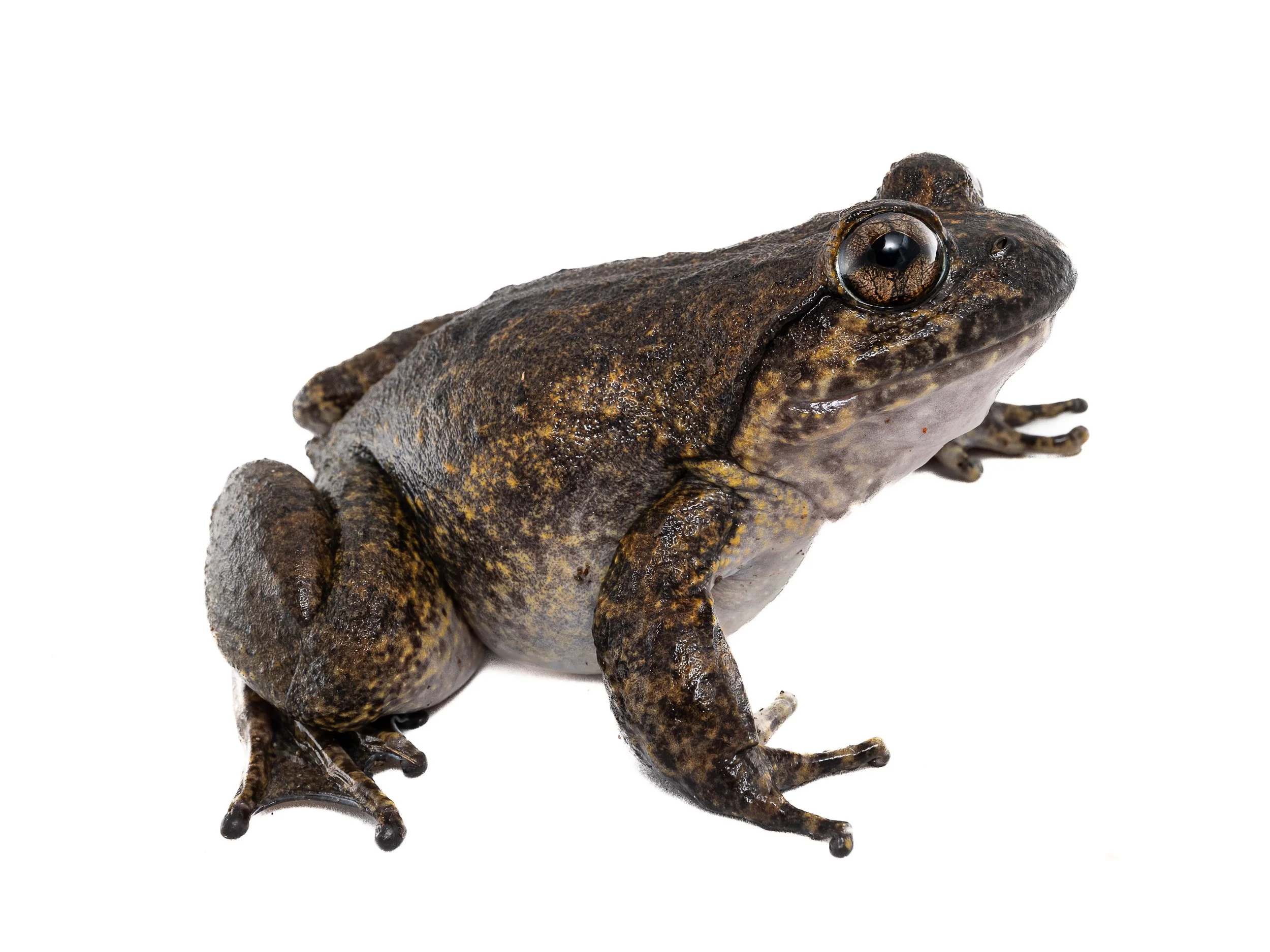
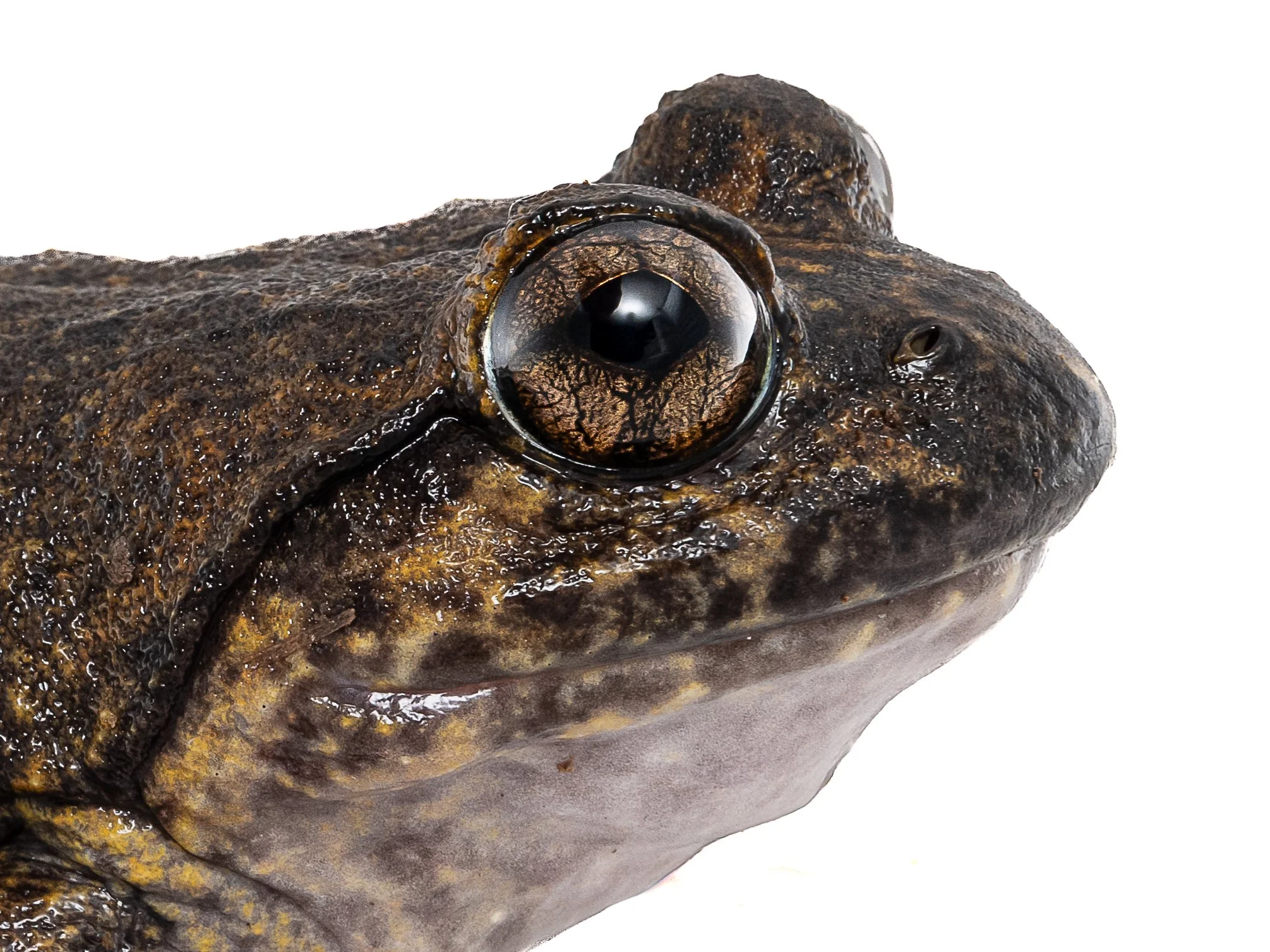
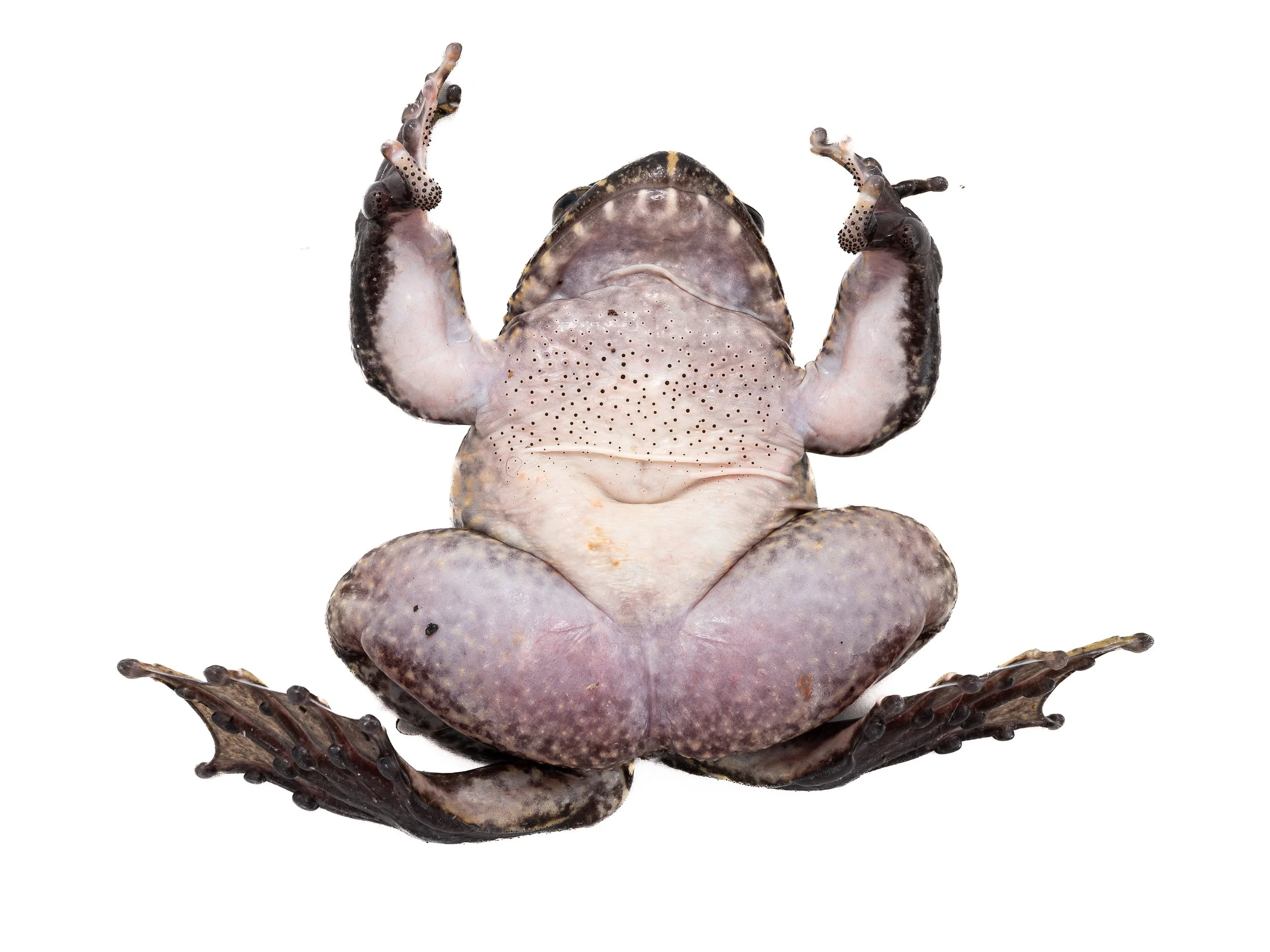
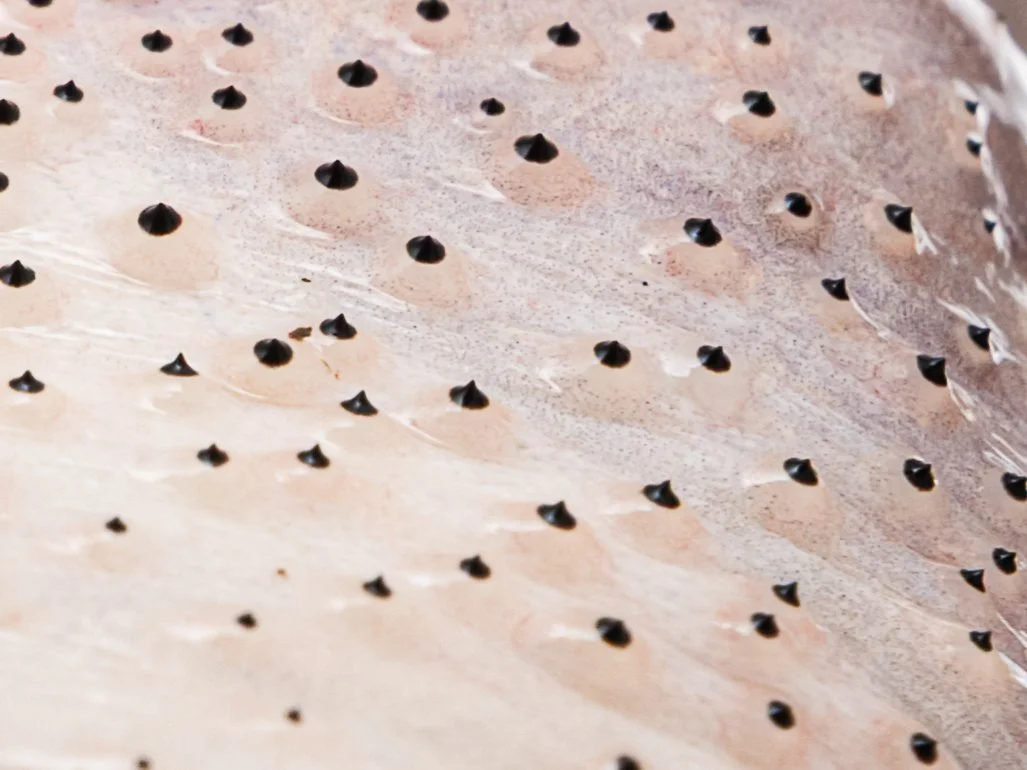
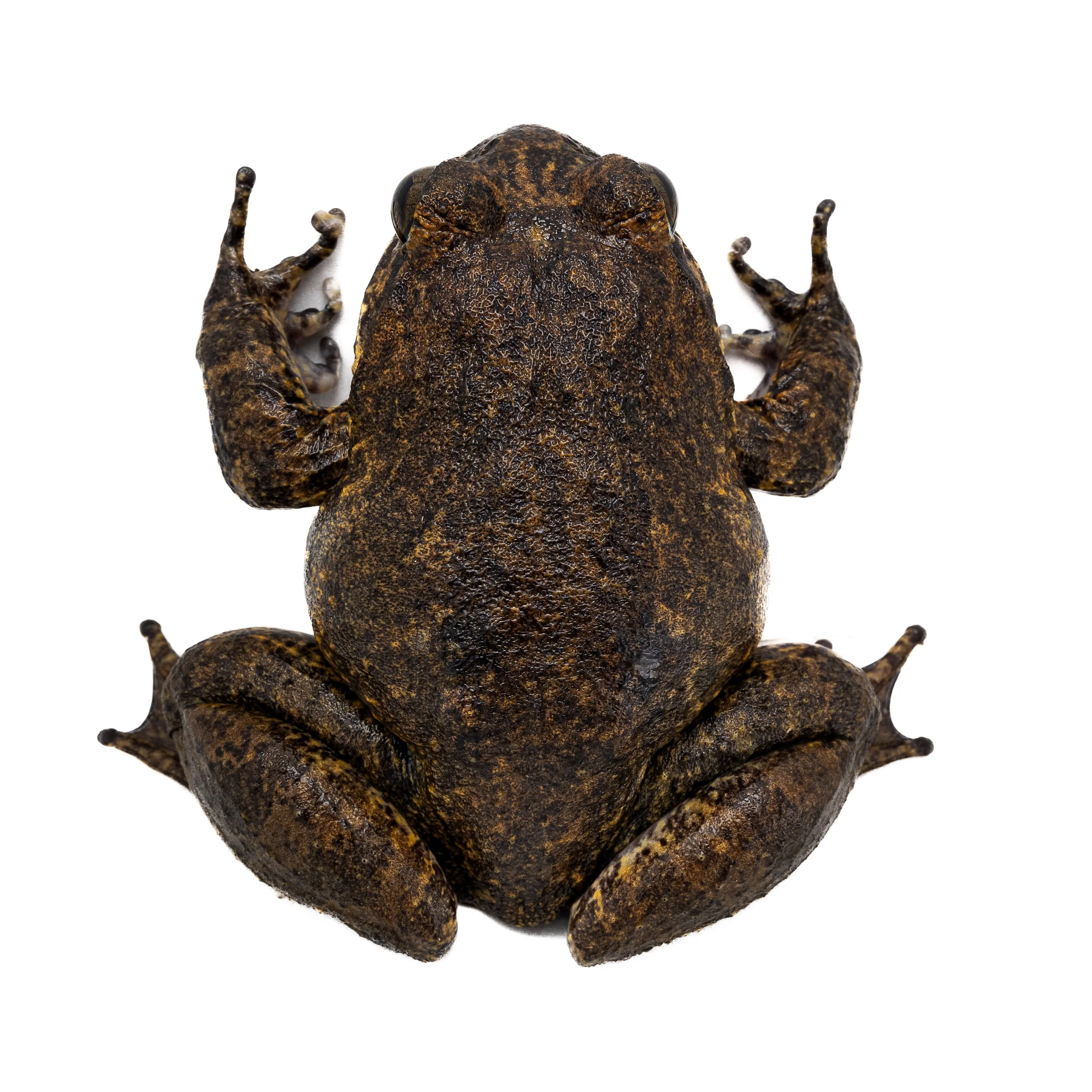
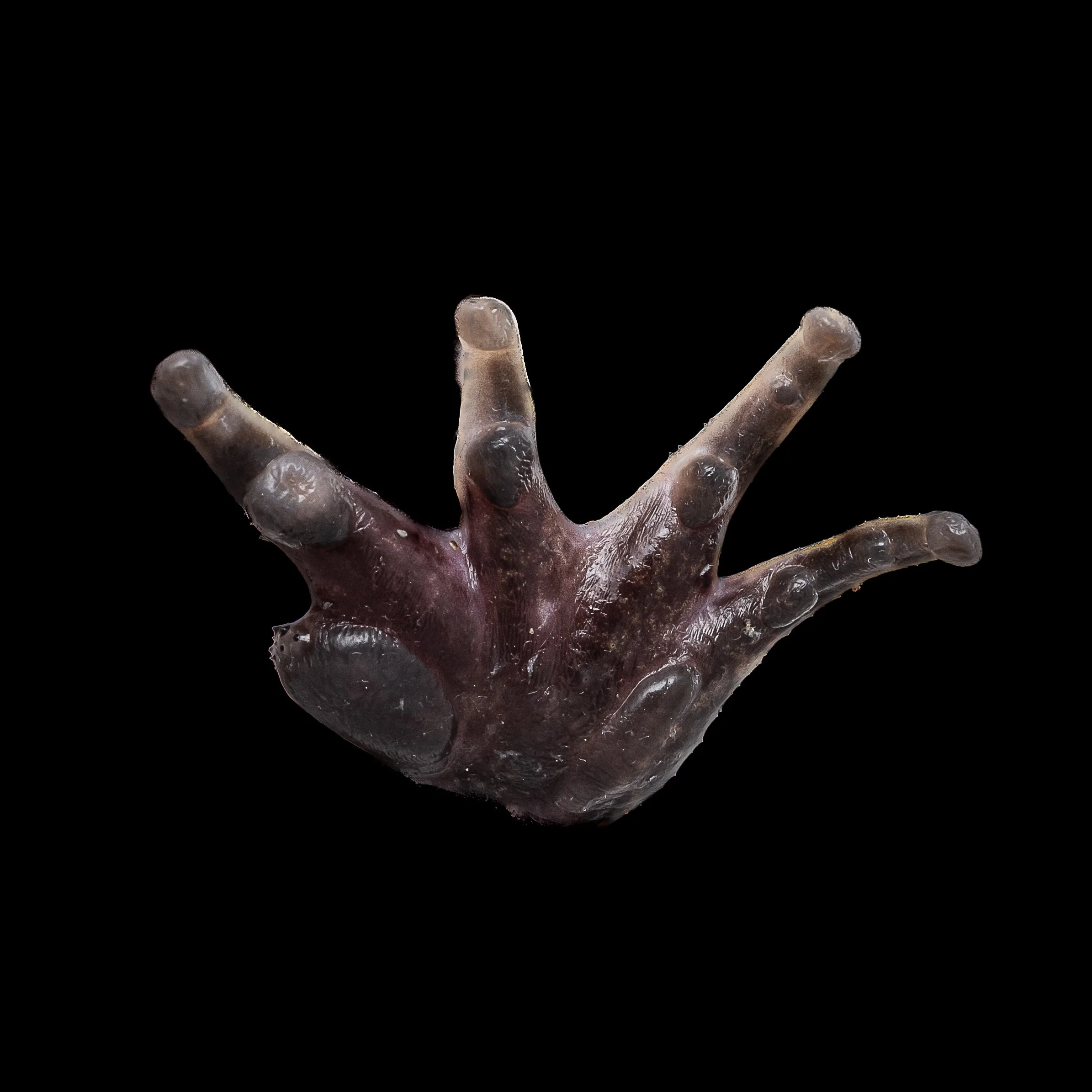
The head is large and truncated coming to a rounded point at the snout. Males snouts are slightly longer than females. The body is slightly wider than the head. Both males and females are dark green or brown with light brown or yellow mottling. Some individuals have more ornate high contrast patterning on the body and limbs with others being more uniform in color with very low contrast patterning. High contrast individuals also have obvious yellow or light brown irregular stripes from below the eye terminating behind the jaw with additional stripes on the upper jaw and a small vertical stripe on the tip of the snout. The tympanum is not visibly distinct. There is an obvious skin fold that runs from behind each eye terminating just above the forelimb. The skin on the body is rugose with no obvious granules or tubercles. Males have small black spines on the body during mating season that appear most visibly on the chest and forelimbs. These spines aide the males in their attempt to latch on to the females during amplexus. Fore and hindlimbs both have dark bands, with some individuals higher contrast than others. Their eyes have a characteristic cross shape.
The giant spiny frog has a white venter with little to no pattern. Occasionally there will be some light brown mottling on the chin and hindlimbs.
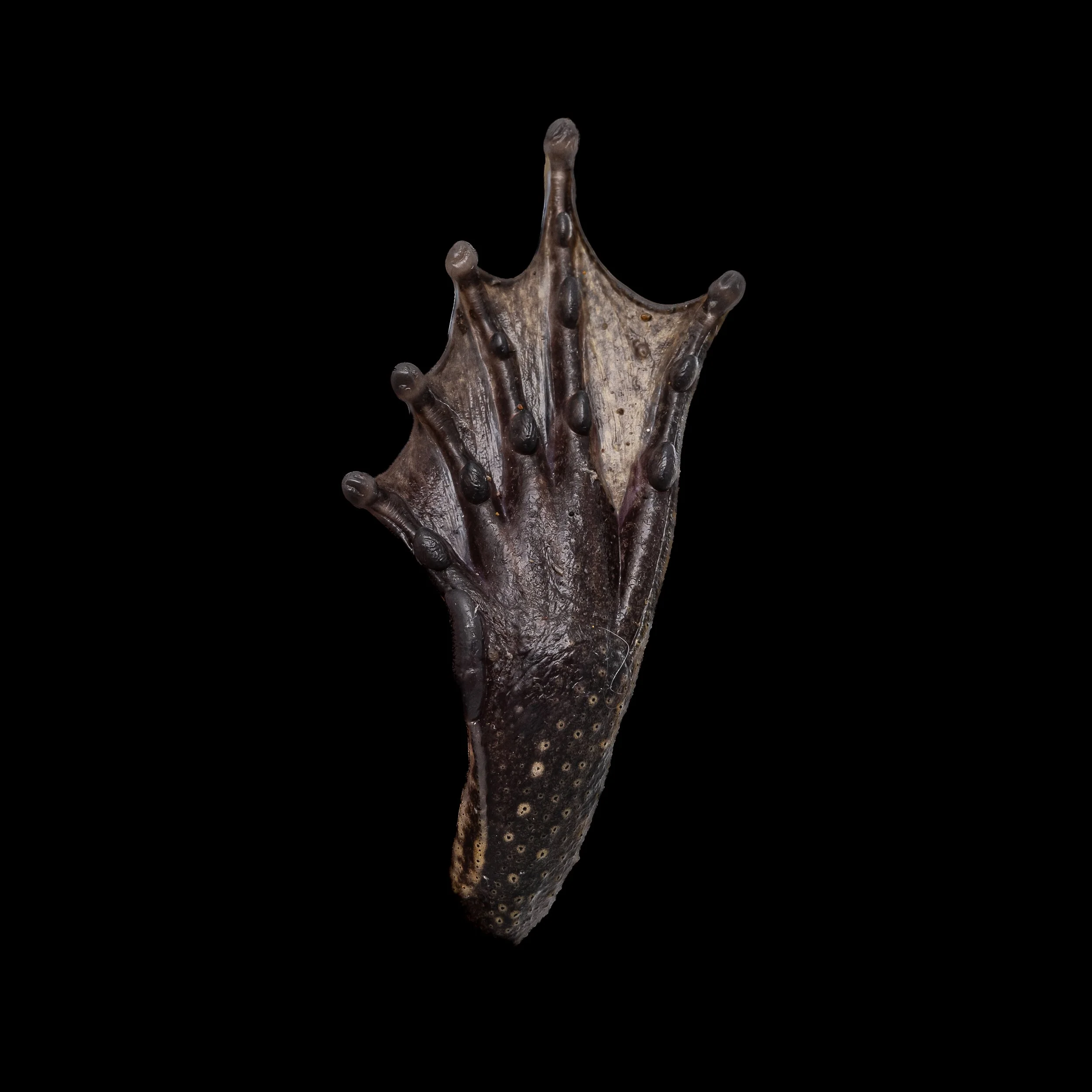
They have four digits on the forelimbs, absent webbing with the second digit proportionally shorter. Digits on the hindlimbs are completely webbed, though occasionally the fourth digit may extend slightly beyond the webbing.
An additional characteristic are the extremely robust and enlarged forearms of the giant spiny frog, especially in males.
HABITAT
The giant spiny frog is only known to inhabit one peak in the New Territories. It lives in clear flowing streams at this high elevation location.
MISTAKEN IDENTITY
CAUTION SHOULD TAKEN WHEN INTERACTING WITH AMPHIBIANS: The giant spiny frog can look similar to the lesser spiny frog or the big-headed frog as a subadult. The main distinguishing feature is the size of the giant spiny at maturity which can be up to twice the size of the lesser spiny or big-headed in maturity. Big-headed frogs also have head equal to or wider than the body vs the giant spiny frog which is more narrow than the body. Lesser spiny frogs have densely arranged tubercles on the posterior which are absent in the giant spiny frog and big-headed frog. The giant spiny frog also does not occur sympatrically with the big-headed frog.