
SUMMARY
PREVALENCE: Common
ACTIVE PERIOD: Active at night
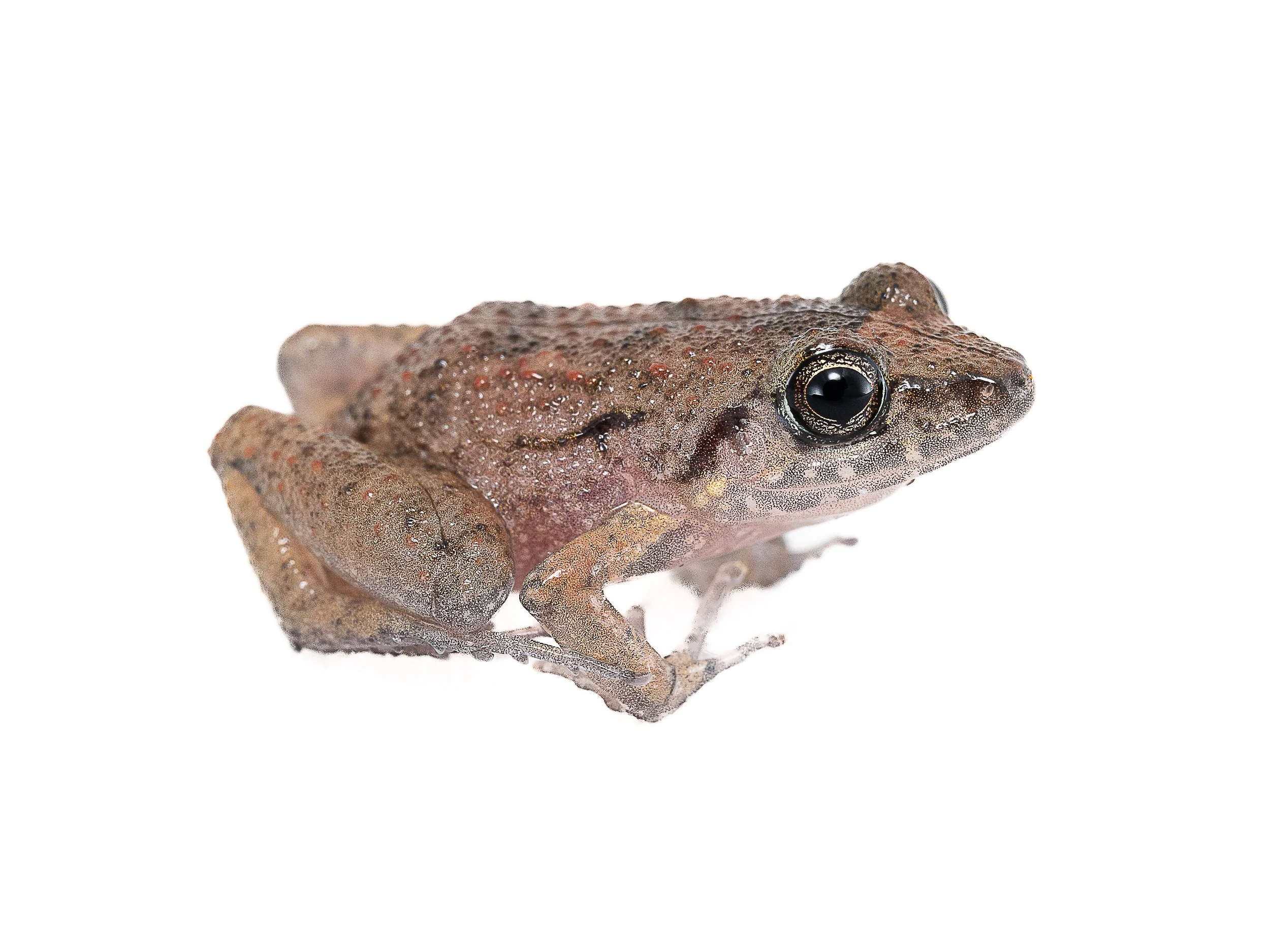
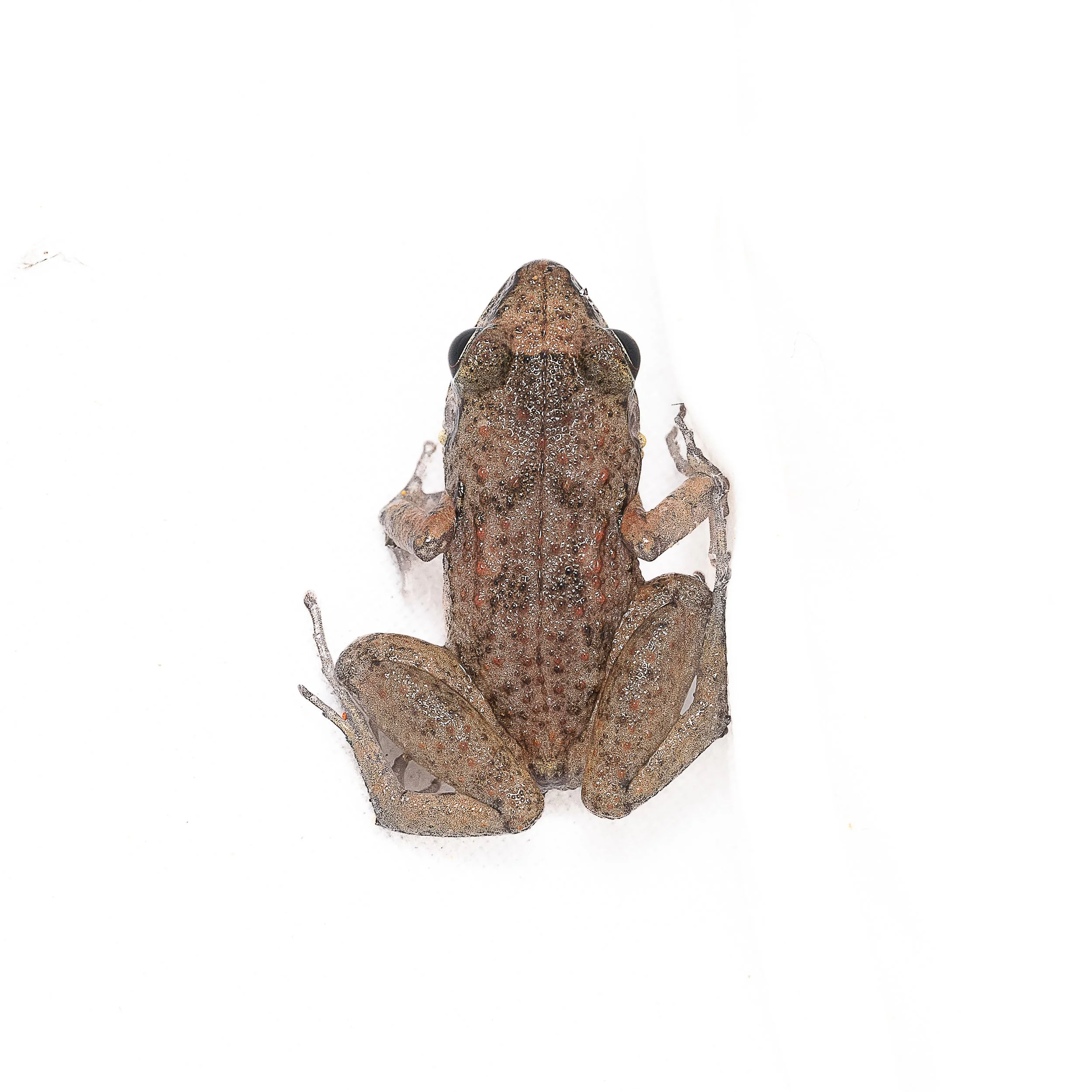
KEY ID FEATURES: Head wider than body, thin line of small tubercles or granules vertebrally from snout to vent, snout lighter color than body
SIZE: ~2.5cm
IUCN: LC - Least Concern
GALLERY
IMPORTANT: Many frogs have significant variance in coloration and pattern even within the same species. There can also be extreme differences in appearance from juveniles to adults and some species appear very similar in maturity.
DESCRIPTION
The greenhouse frog is an introduced species in Hong Kong and has established strong populations across the territory. They are also well known to have been introduced to many other locations around the world where strong populations have been established. They are native to Cuba, the Bahamas and the Cayman Islands. They are a common encounter and despite their diminutive size the volume with which they occur in most locations is enough to make sightings likely. They can be found in any forested habitat, lowlands, farms and wetlands.
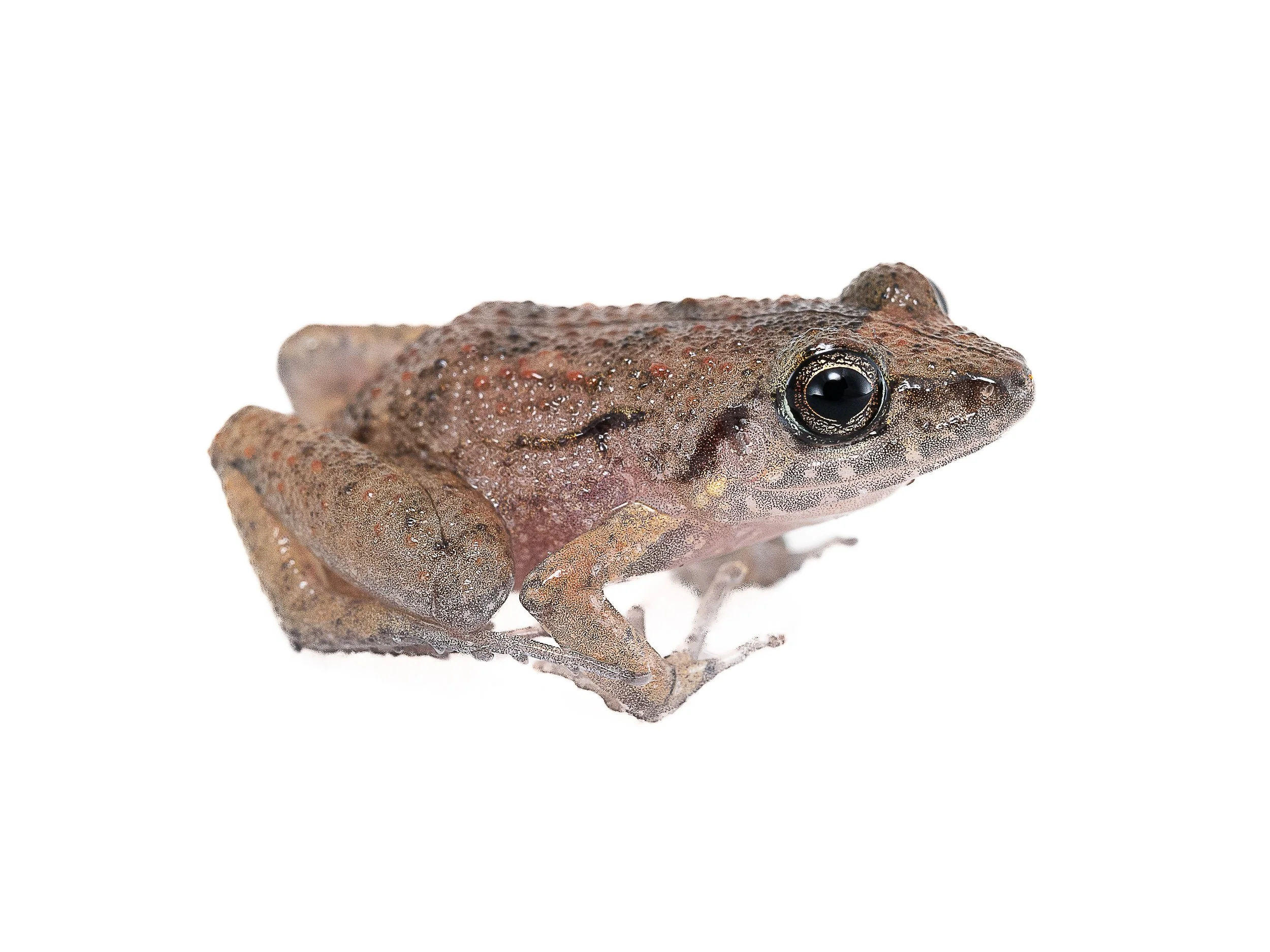
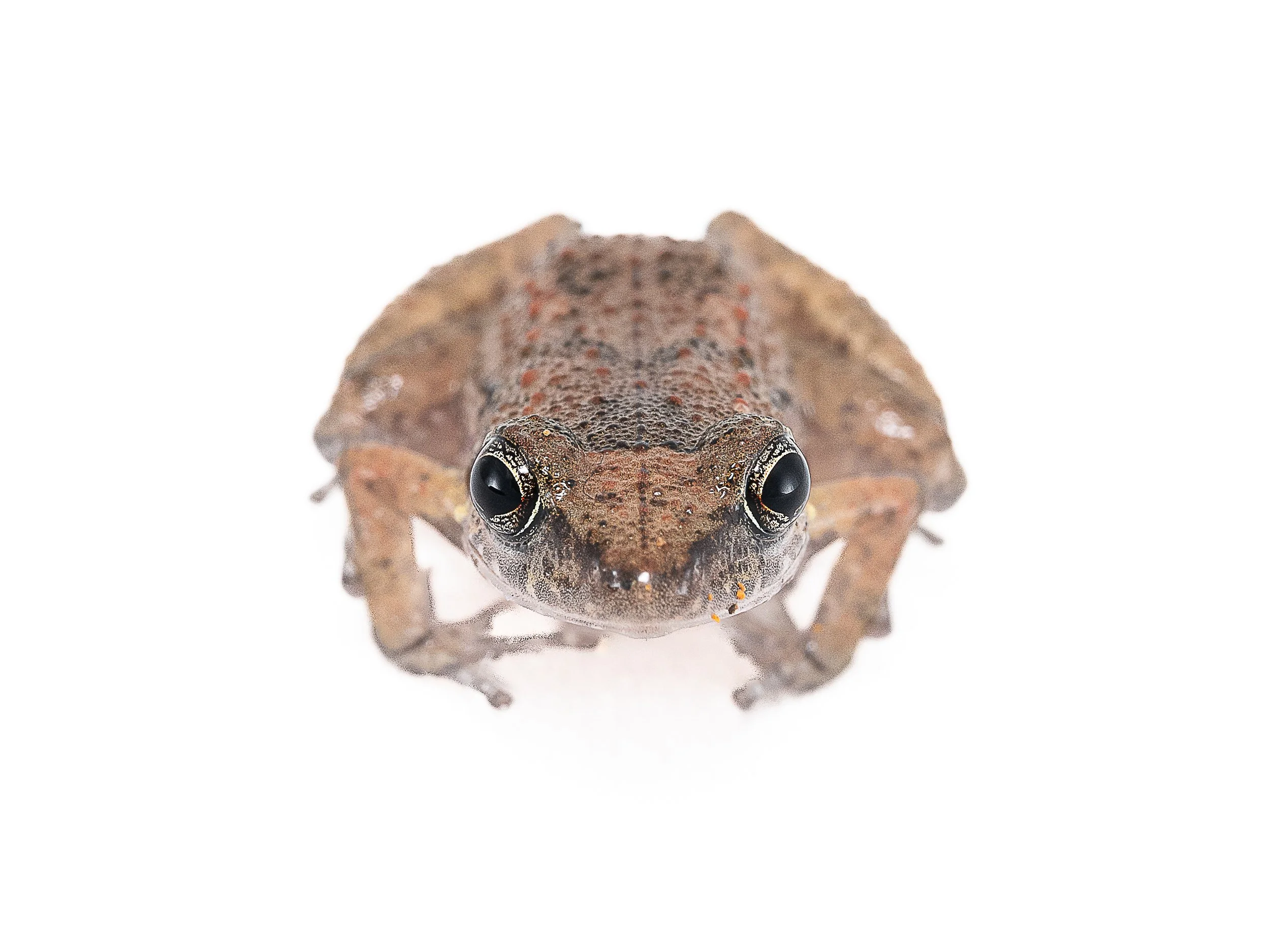
The head is equal to or slightly wider than the body. Color can range from light brown, to orange or grey. The snout is often a light shade of the primary body color. There is a dark band between the eyes on the top of the head. Greenhouse frogs also have a thin line of reduced tubercles or granules from the snout running down the vertebra and terminating before the cloaca creating a distinct line down the back. Another line of tubercles run dorsolaterally on each side with an addition line of tubercles on the flanks. In addition to the tubercle lines the body is covered in tubercles and granules giving it a rough textured appearance. The tympanum is obvious often with a dark marking around the back portion. Limbs are similar in color and pattern to the body with forelimbs slightly lighter in color.
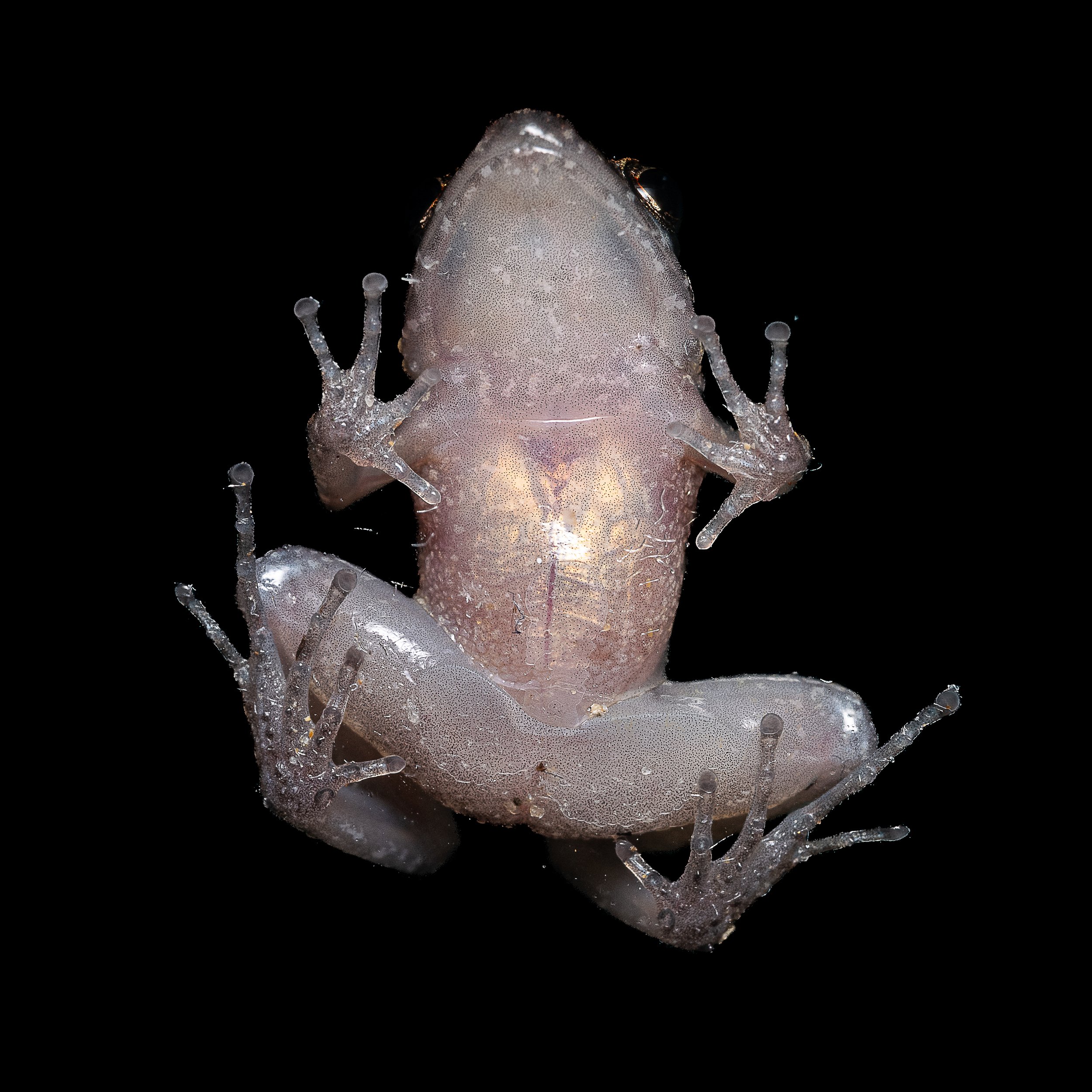
The venter is semitransparent with internal organs visible through the belly. Some white mottling is visible on the chin.
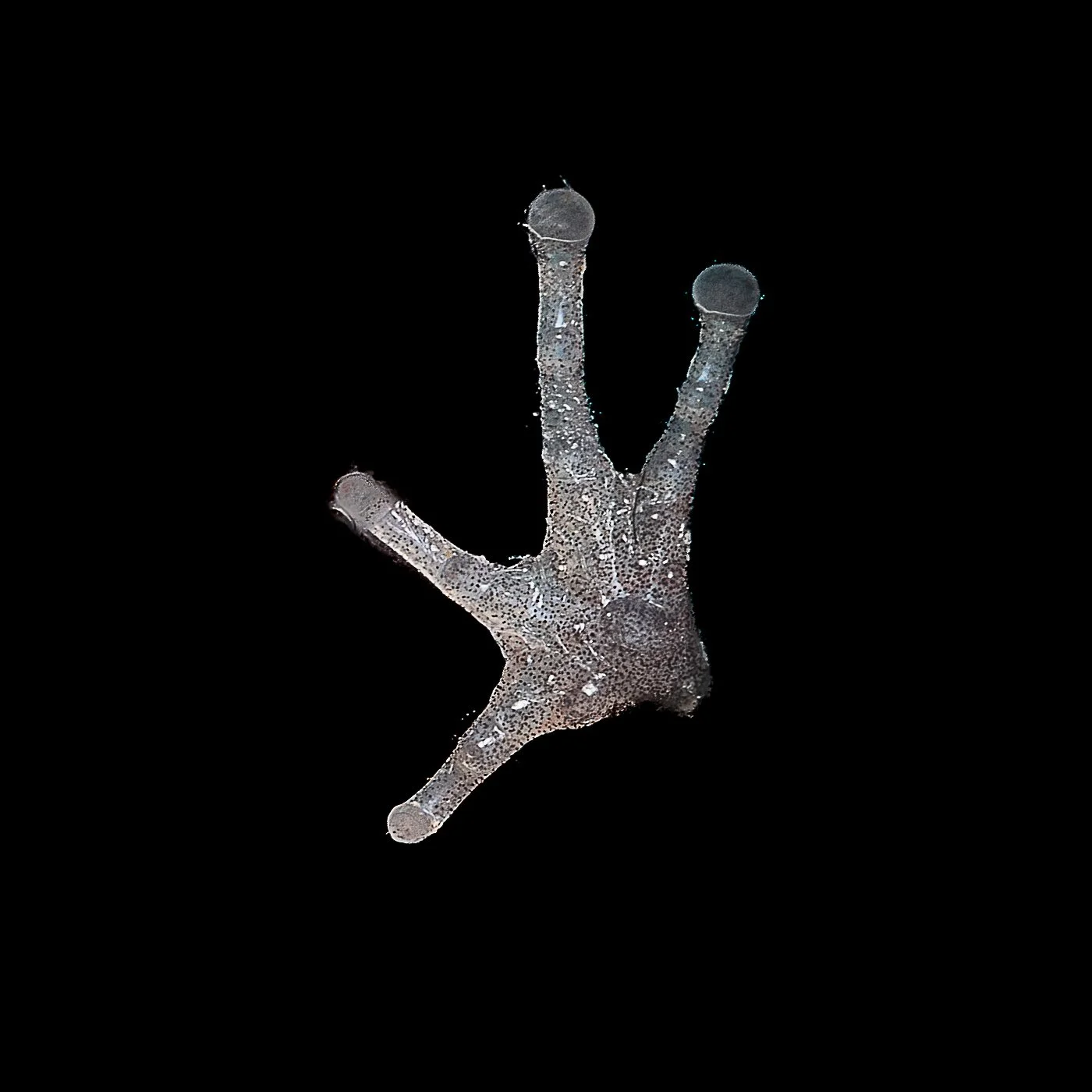
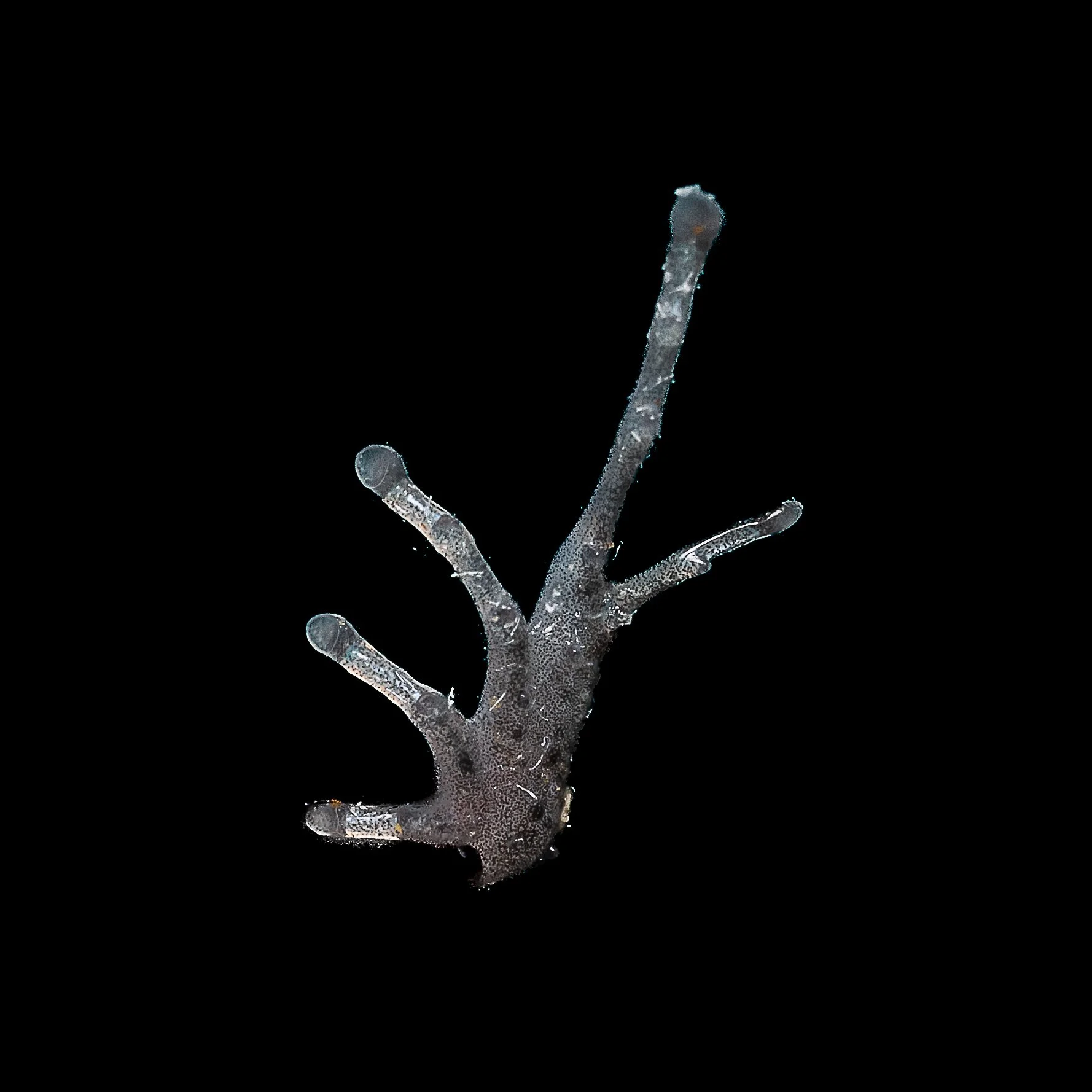
They have four digits on the forelimbs with no webbing present. Hindlimbs have five digits and small toe pads. Digits on the hind limbs are absent any webbing.
HABITAT
They are a common encounter and despite their diminutive size the volume with which they occur in most locations is enough to make sightings likely. They can be found in any forested habitat, lowlands, farms and wetlands.
MISTAKEN IDENTITY
CAUTION SHOULD TAKEN WHEN INTERACTING WITH AMPHIBIANS: It is possible to mistake the greenhouse frog with the Roamer’s tree frog given the small size and general shape of both species. The main differentiators are the wider head of the green house frog as opposed to the Roamer’s who’s head is distinctly more narrow than the body. In addition, the greenhouse frogs skin is more densely covered in tubercles and granules and looks visibly more textured than the Roamer’s which appears smooth with widely spaced tubercles. The Roamer’s hind feet are also partially webbed whereas the greenhouse frogs are not.