
SUMMARY
PREVALENCE: Rare
ACTIVE PERIOD: Active at night
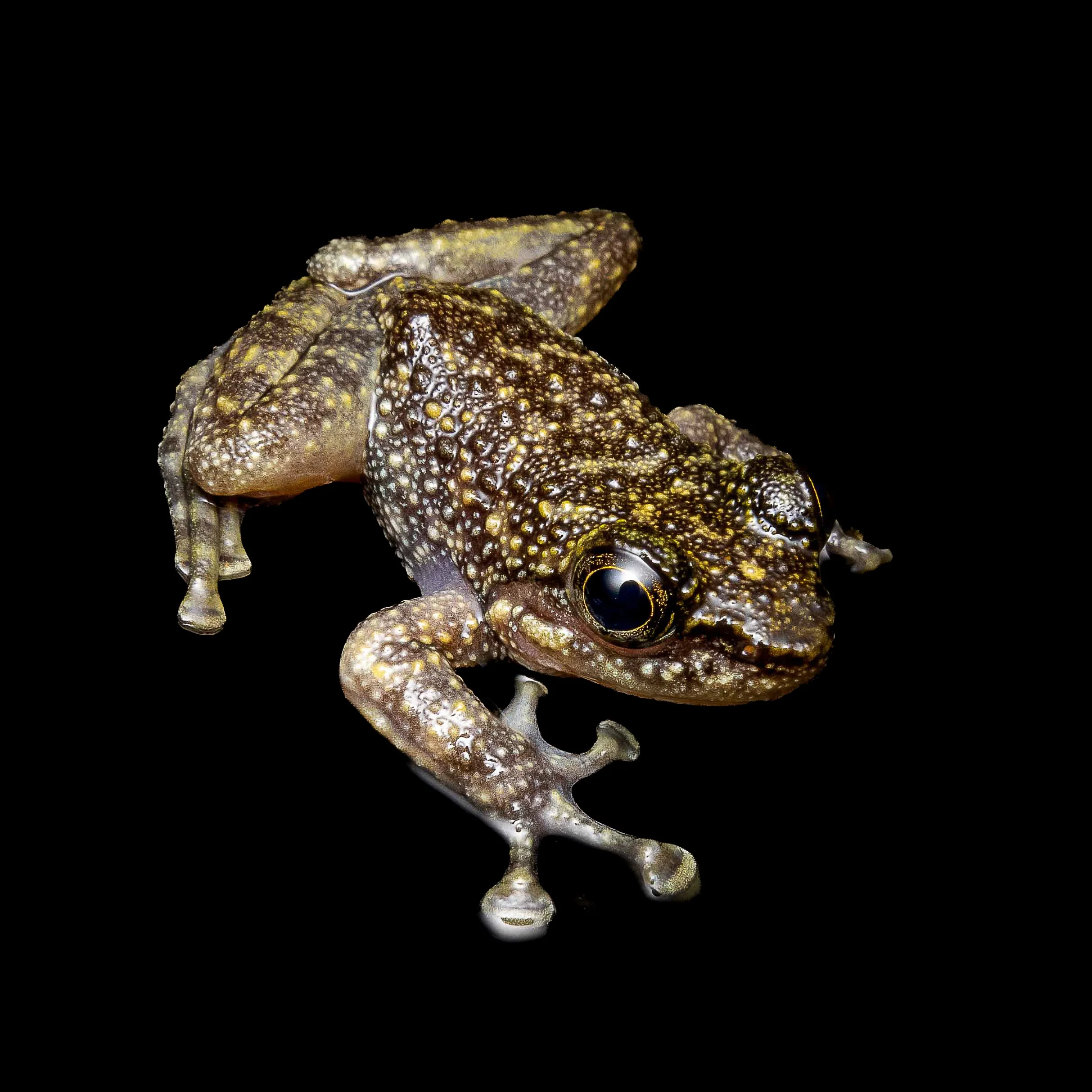
KEY ID FEATURES: Large toe pads, flat profile, dark brown with light brown markings
SIZE: ~5cm
IUCN: LC - Least Concern
GALLERY
IMPORTANT: Many frogs have significant variance in coloration and pattern even within the same species. There can also be extreme differences in appearance from juveniles to adults and some species appear very similar in maturity.
DESCRIPTION
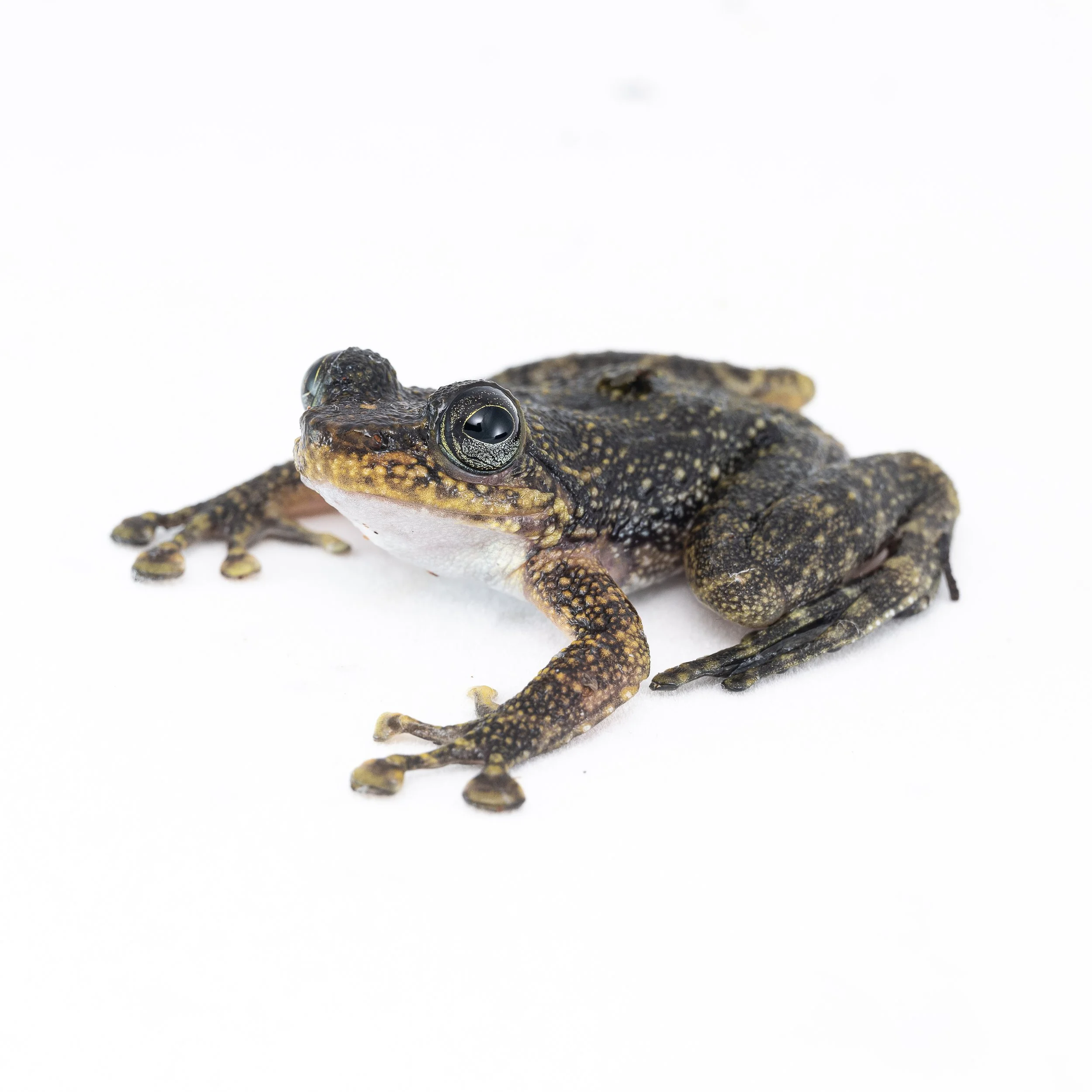
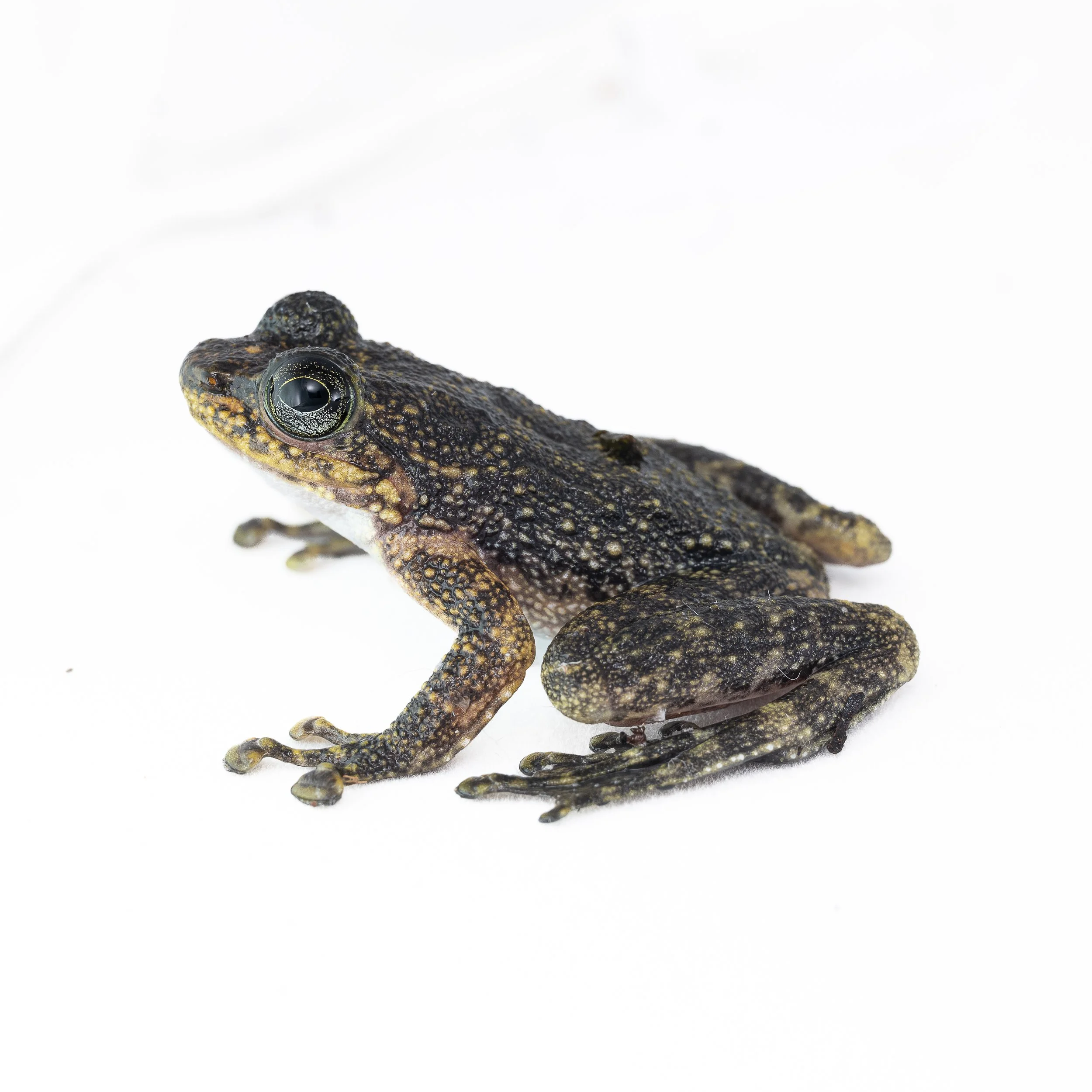
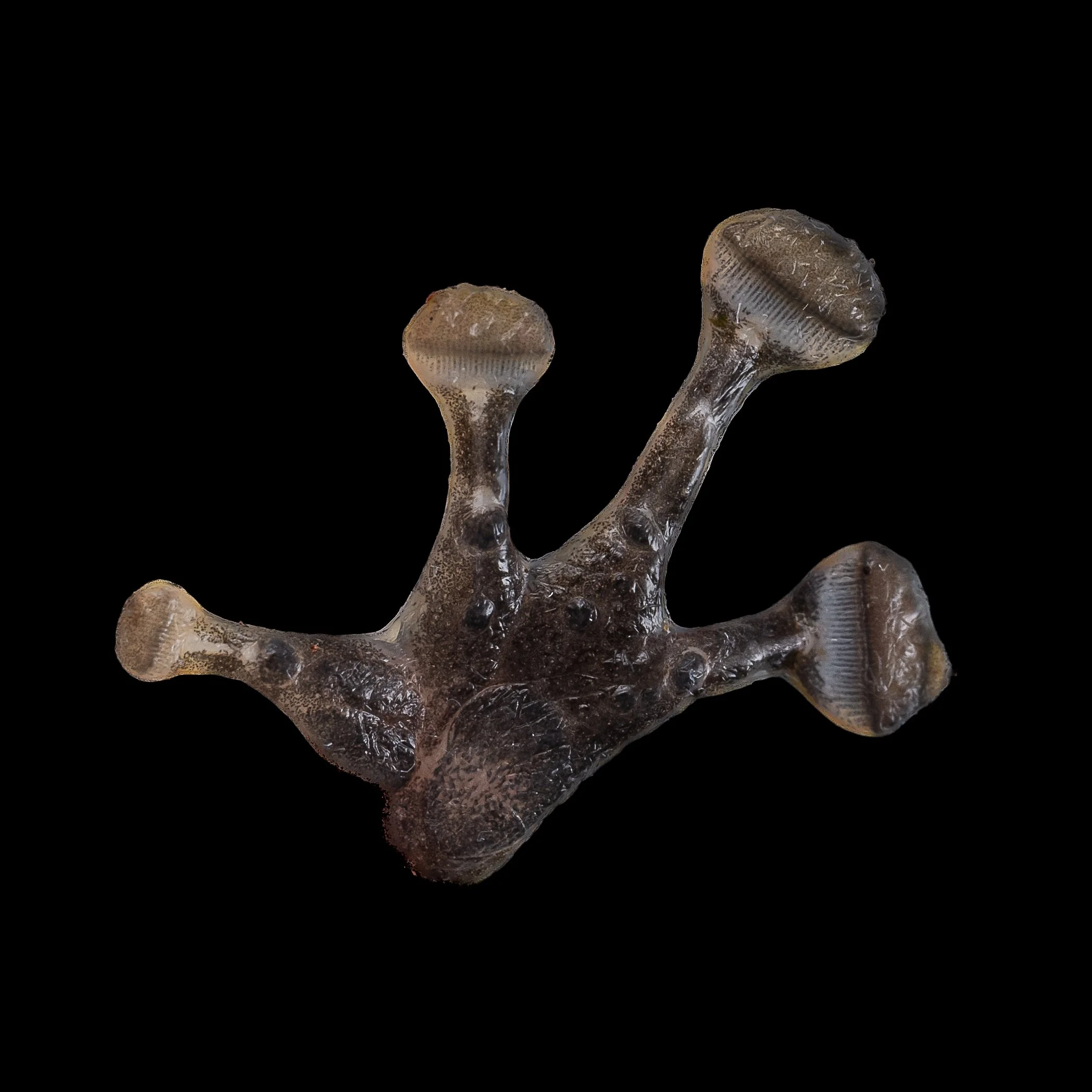
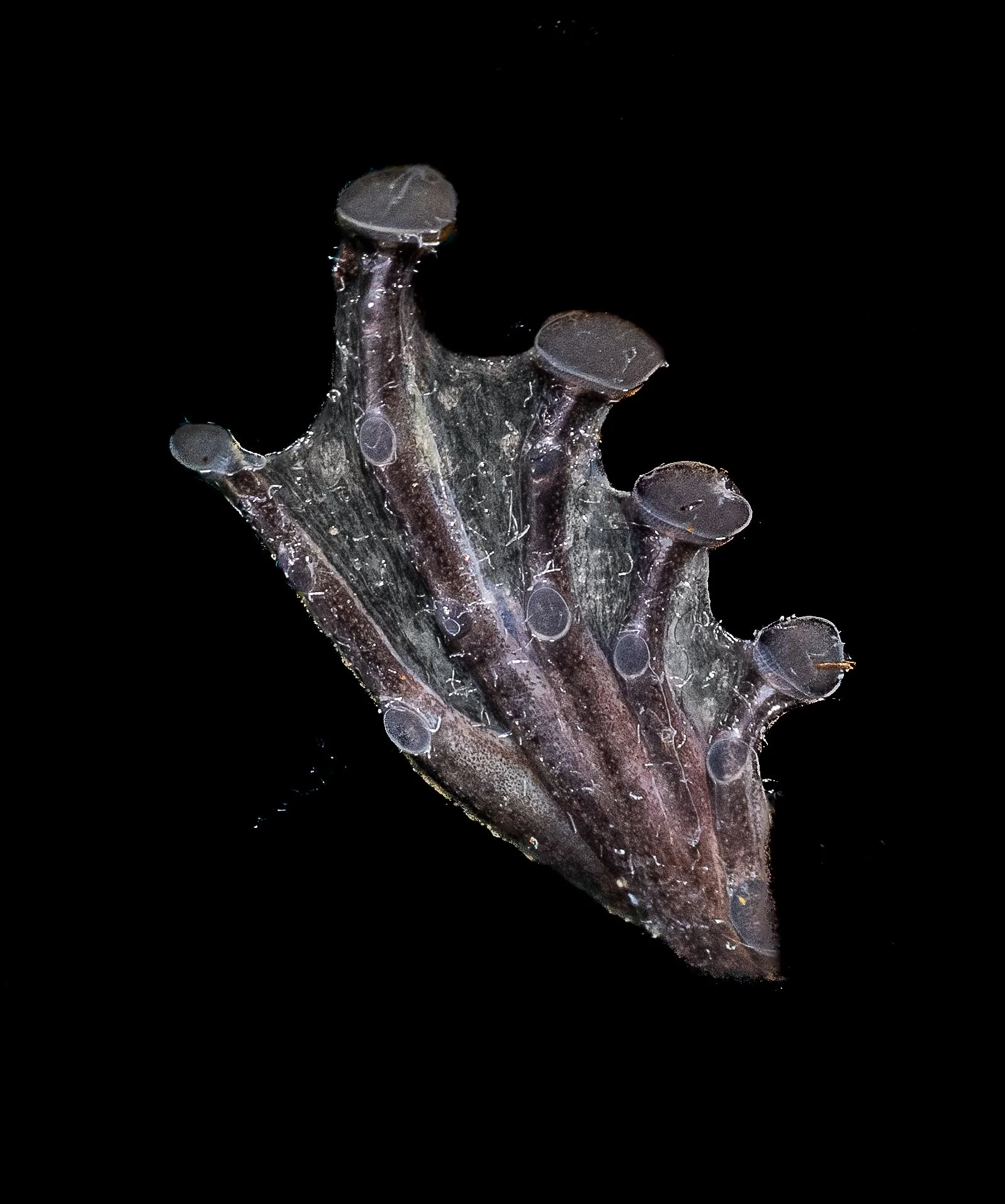
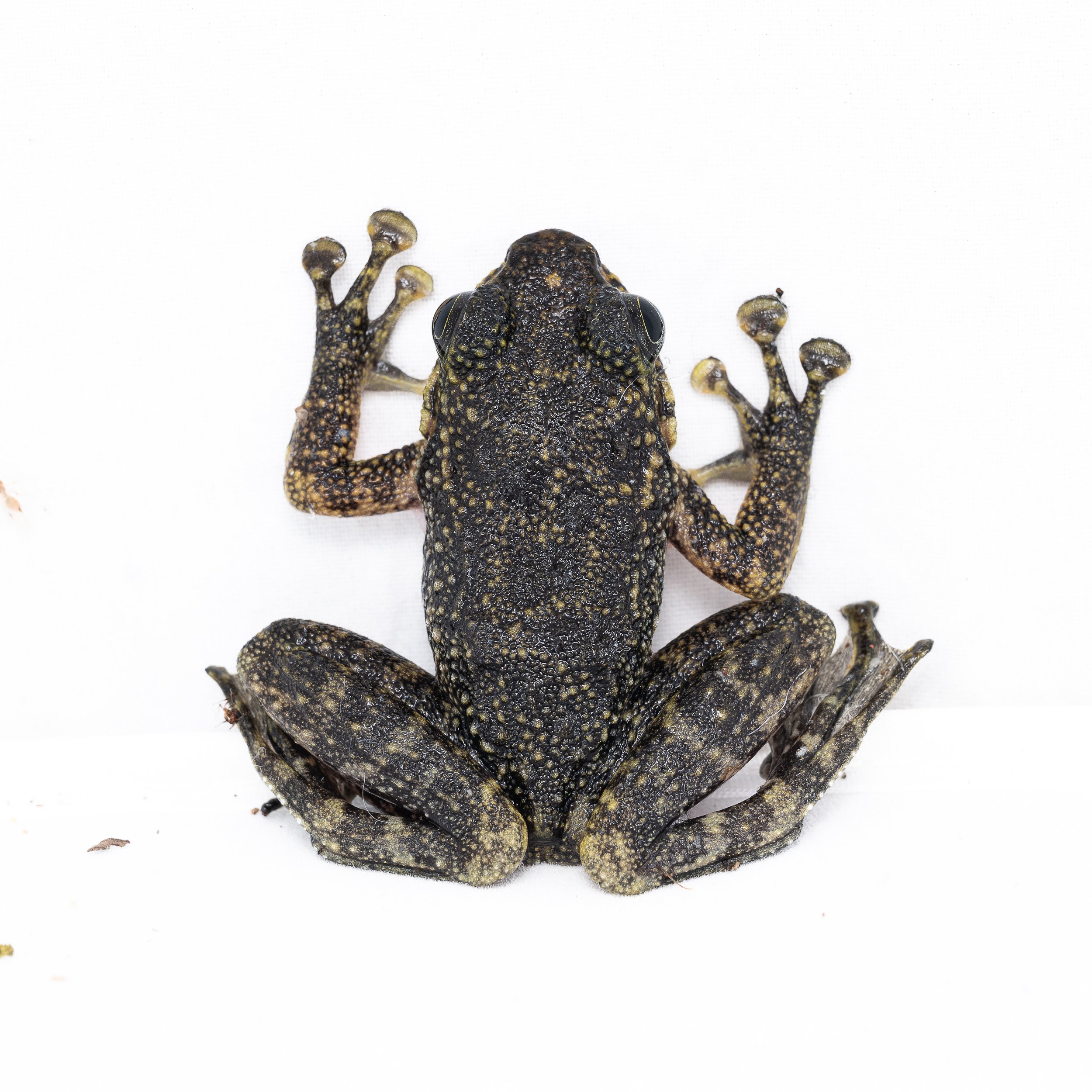
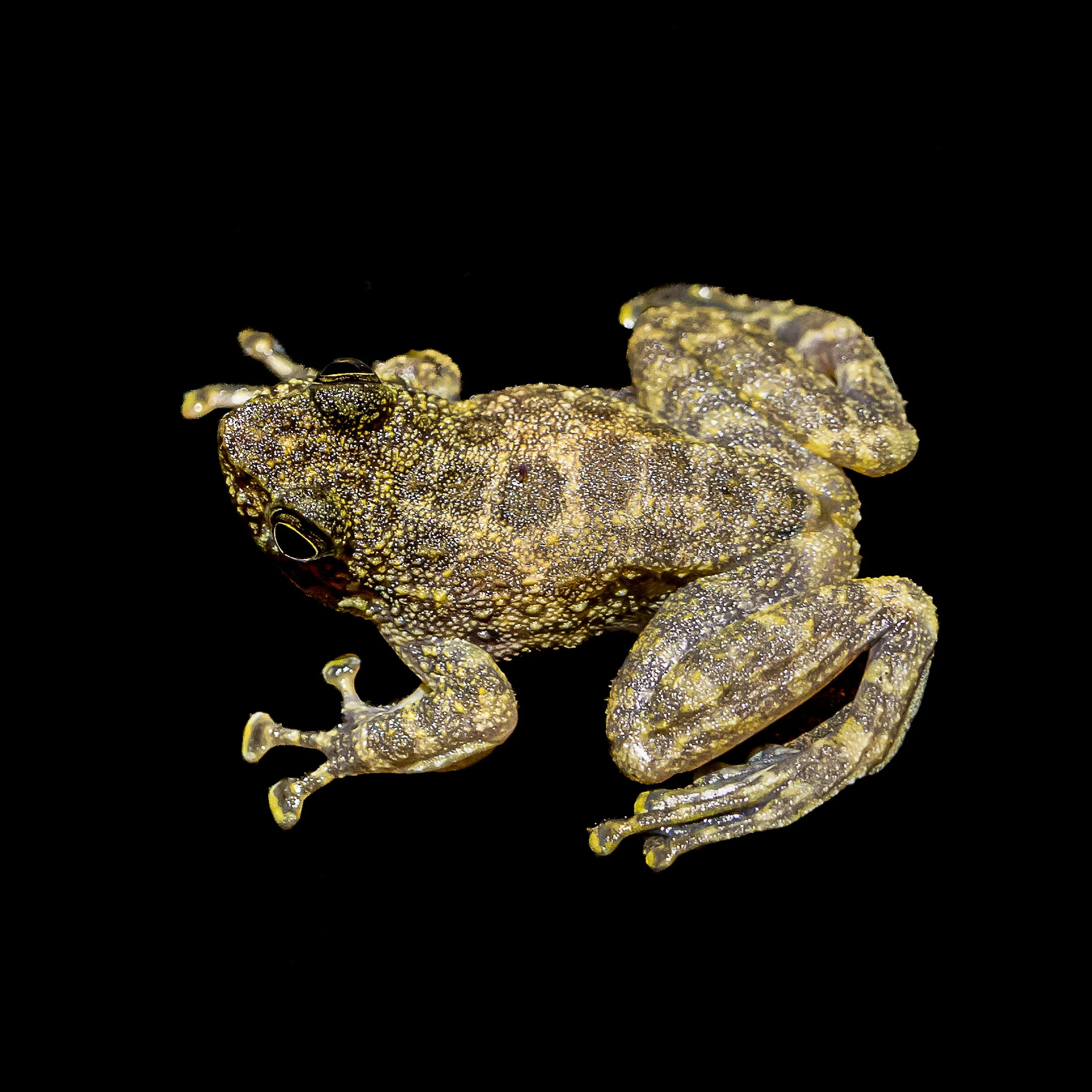
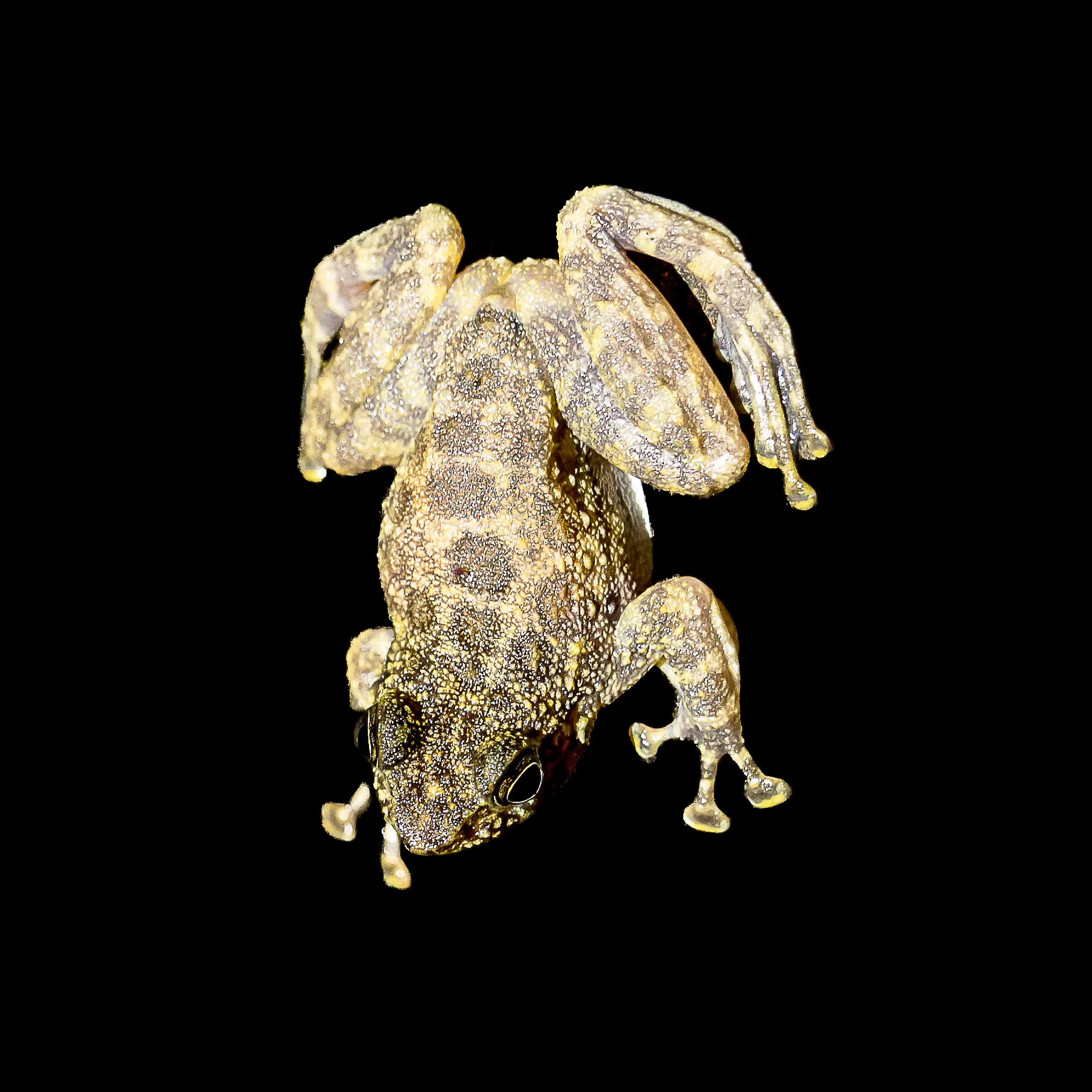
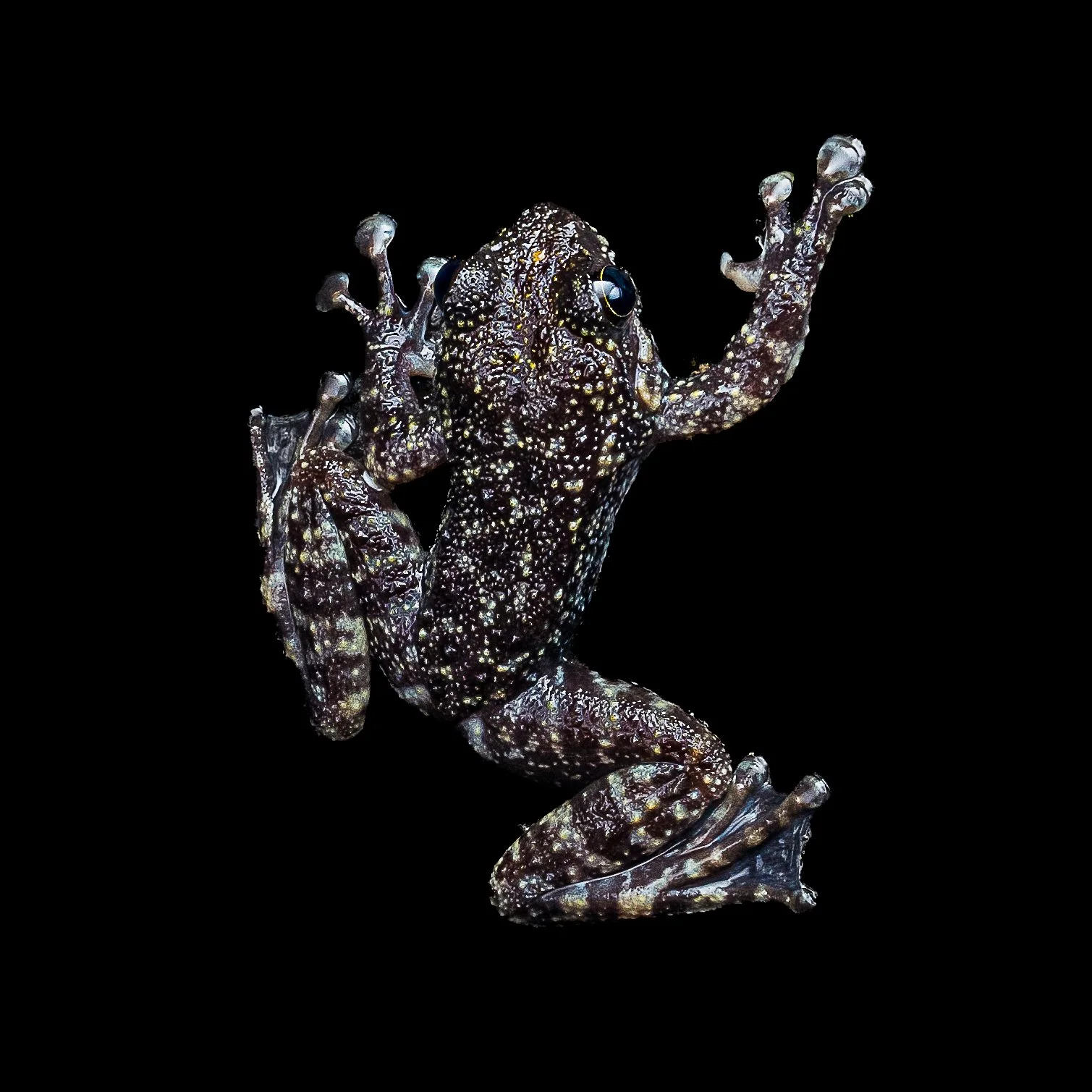
They are a small to medium sized species, most commonly 4-5cm, and are very flat, a characteristic that helps them stay adhered to rocks while fast flowing water moves over and around them. An additional aid in this dynamic are the enlarged toe pads that are highly effective adherents to the wet rocks given their large surface area. This species also frequently change color from near white to a more common green-yellow with dark blotches, to nearly black depending on their mood and surroundings. This change can take place in a matter of seconds. The head is generally wider than the body, rounded and highly compact compared to most other Hong Kong species. The dorsum is covered in large granules giving the skin a rough texture. The pattern on the dorsum appears like a number of dark spots outlined in lighter colors (green to white to black depending on the color change phase), and it has been postulated that the markings may mimic the egg masses they deposit on the rock faces they in habit. This occurs in other frogs species around the world and is often used as a distraction for predators i.e. a wasp attacking the eggs may instead approach the frog which will kick the wasp away. There are no known documented cases of this egg protecting behavior in this species in Hong Kong however.
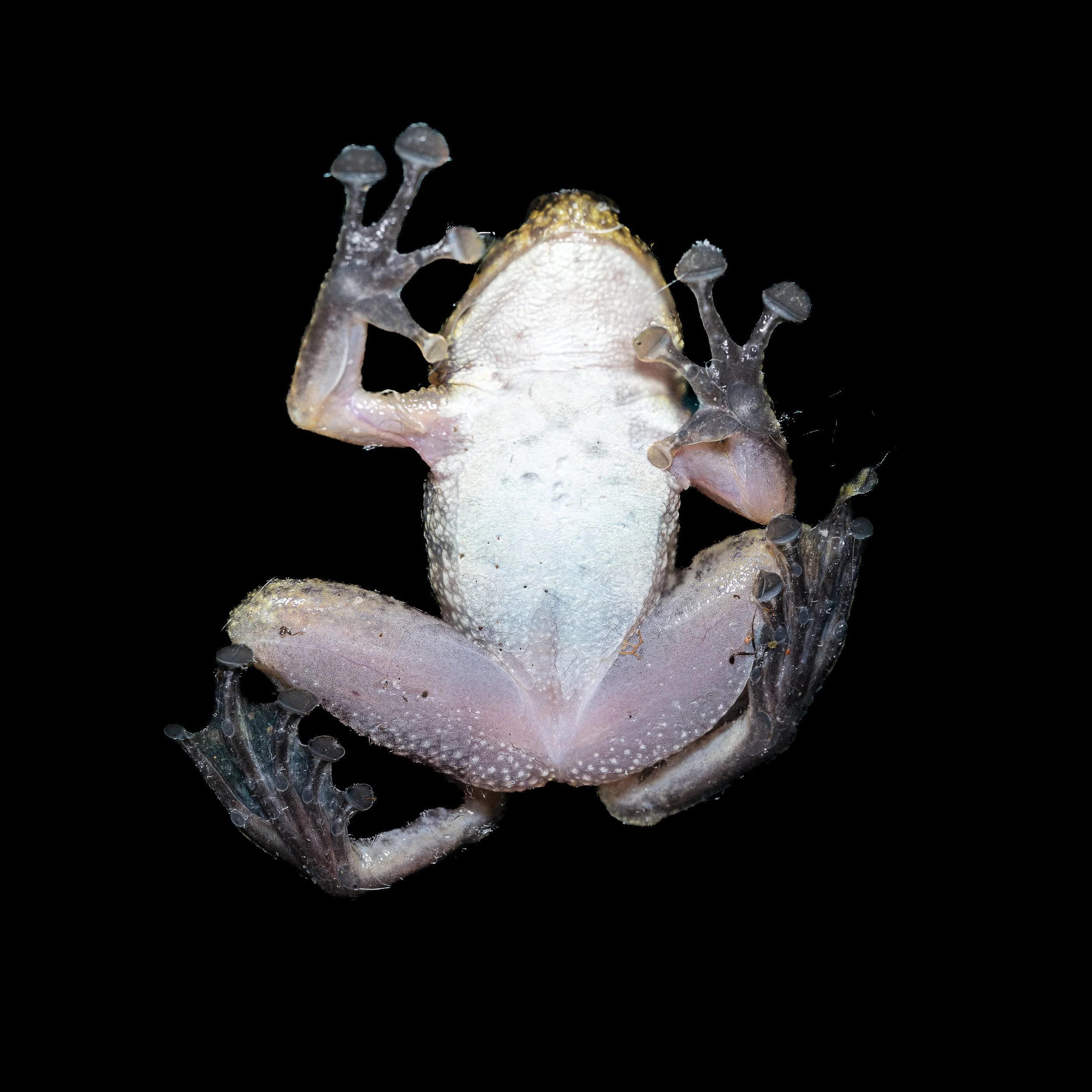
The venter is immaculate white from chin to abdomen with the skin on the fore and hind limbs opaque.
The four digits on the forelimbs have large toe pads and no webbing present. Hindlimbs have five digits and large toe pads, though only about half the diameter for the forelimb digit toe pads. Digits on the hind limbs are completely webbed.
HABITAT
They reside in fast flowing clear mountain streams and are believed to feed mostly on insects. They do not occur on Lantau Island in Hong Kong.
MISTAKEN IDENTITY
CAUTION SHOULD TAKEN WHEN INTERACTING WITH AMPHIBIANS: It is possible to mistake the Hong Kong cascade frog for the South China cascade frog, however, the two species do not occur sympatrically with the Hong Kong cascade occurring in the New Territories and on Hong Kong Island, and the South China cascade occurring only on Lantau Island. They do differ slightly in size at maturity and color.