
SUMMARY
LEGAL PROTECTION: Wild Animals Protective Ordinance (Cap. 170)
POISON: Toxic - Potentially Lethal
PREVALENCE: Common
ACTIVE PERIOD: Mostly active at night
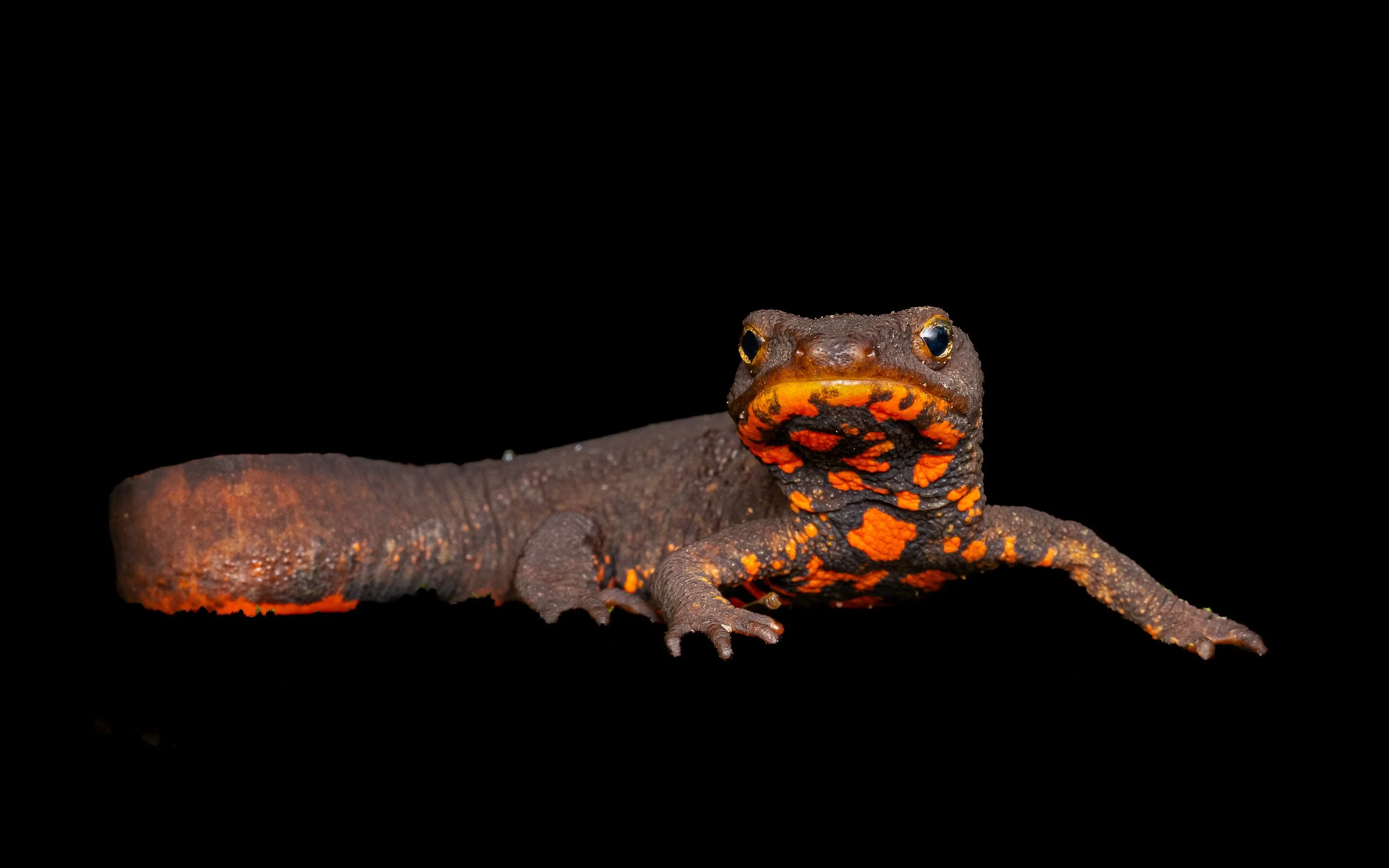
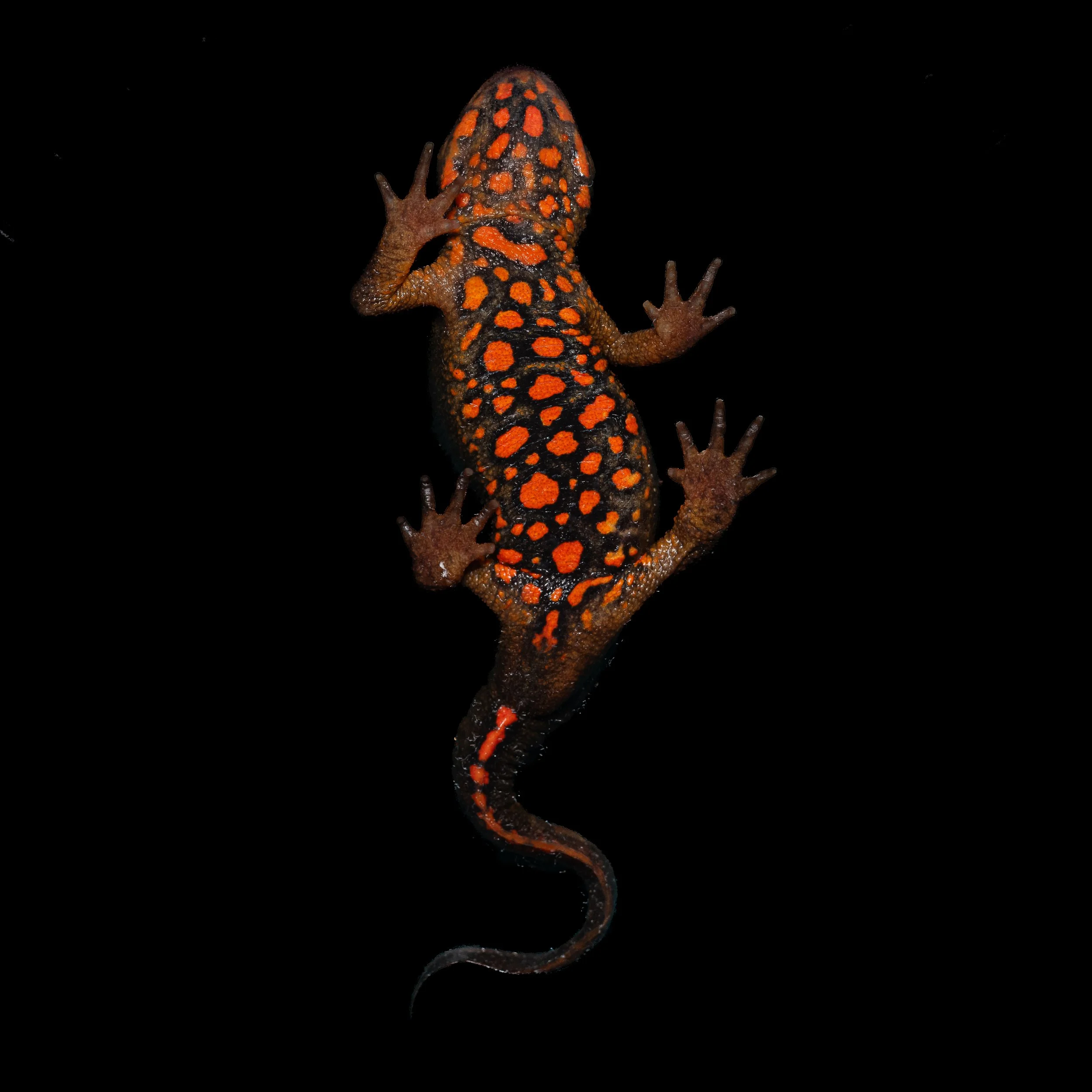
KEY ID FEATURES: The only salamander in Hong Kong, black belly with vibrant red or orange spots
SIZE: ~14cm in total
IUCN: NT - Near Threatened
VENOM REVIEW*
COMPOSITION: Tetrodotoxin
GALLERY
IMPORTANT: Many frogs have significant variance in coloration and pattern even within the same species. There can also be extreme differences in appearance from juveniles to adults and some species appear very similar in maturity.
DESCRIPTION
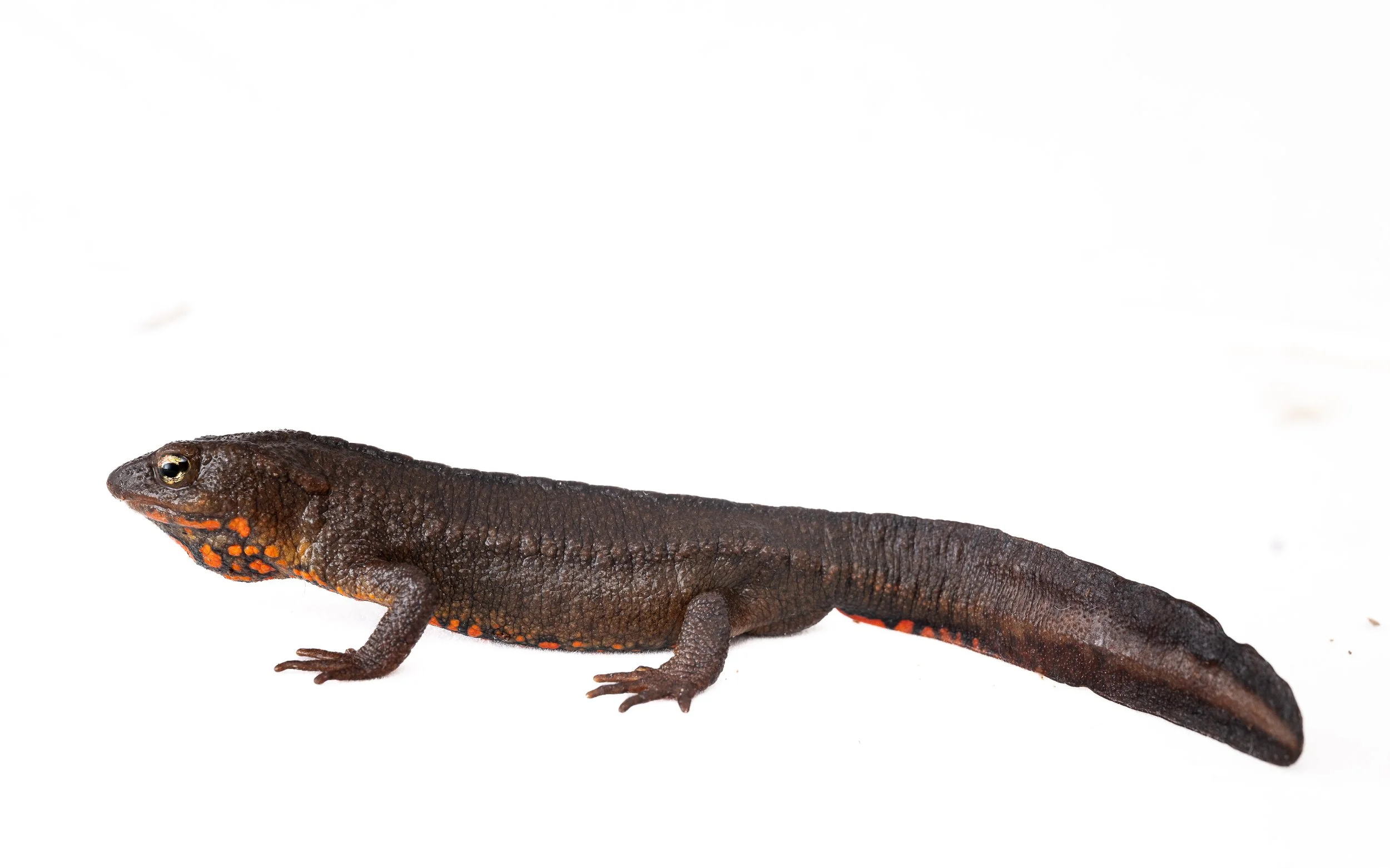
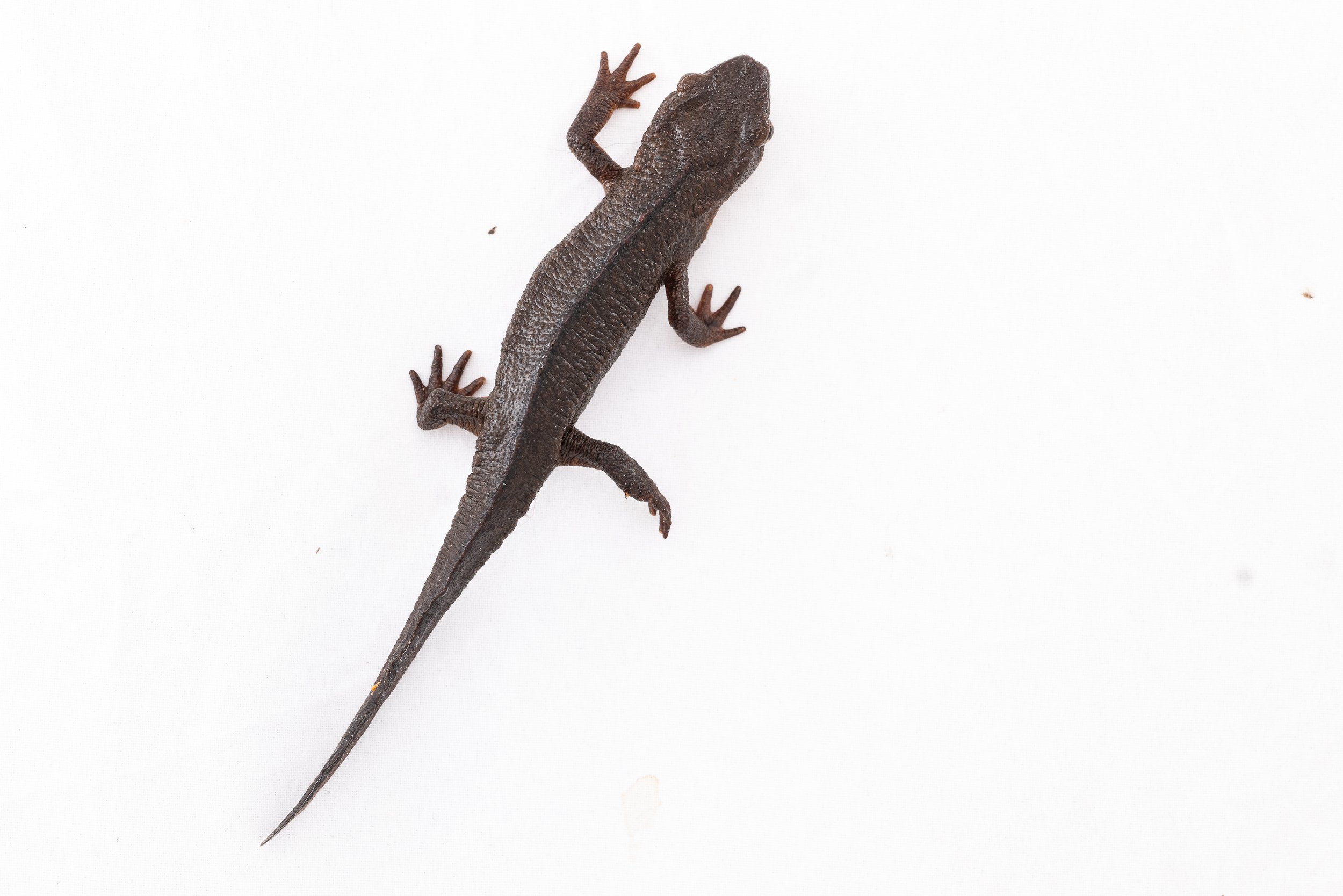
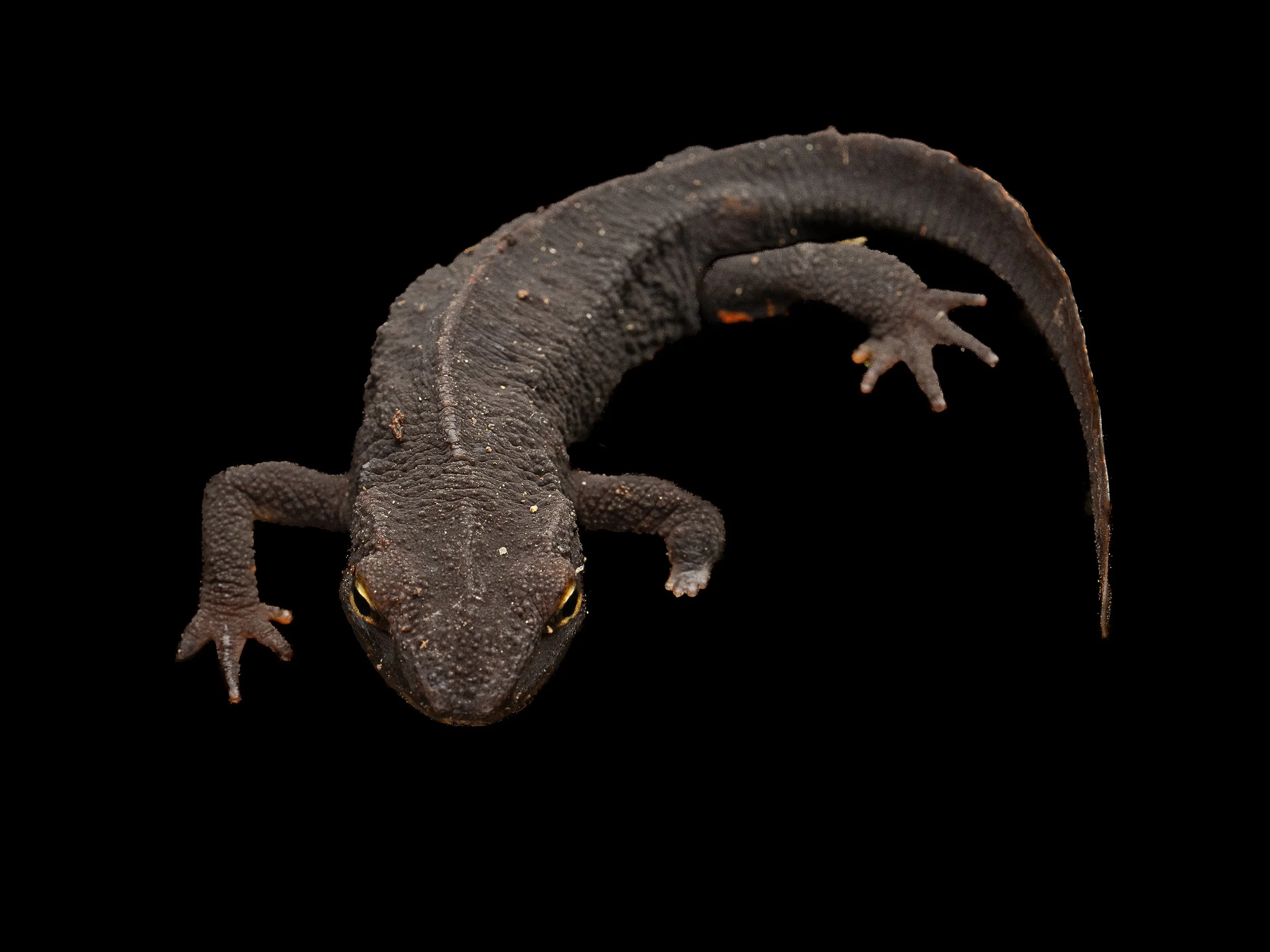
They are dark brown in color with vibrant orange spots on their belly, sometimes extending to the underside of the tail, with the surrounding skin black in color, which increases the contrast and brightness of the spots. The spots are also unique to each animal and can be used to identify individuals. There is a distinct vertebral ridge along the spine with additional ridges along the sides of the dorsum, all extending to the first third of the tail. The tail of the newt is vertically compressed to aid in swimming. The forelimbs have four digits and five on the hindlimbs. During the breeding season males will appear lighter brown with a bluish white stripe down either side of its tail that it uses to entice females by fluttering it in front of them underwater in clear pools. The skin is covered in small bumps, giving way to the name “warty”. In addition to the bumps, the warty newt has parotoid glands behind the head that appear like lumps, which they use to produce and secrete a potent toxin. Eggs are large compared to other local amphibians, suspended in gelatinous spheres that are ~1-1.5cm in diameter with the dark brown/black embryo in the middle.
BEHAVIOR
Hong Kong warty newts are carnivorous with a varied diet including worms, small fish, tadpoles, small crustaceans and insects. Mature newts occasionally cannibalize newt eggs and efts. There is also at least one documented observation of a newt eating a hammerhead worm, which is a highly toxic animal and which the newt seemed capable of digesting with no adverse effect. It should also be noted that, like many amphibians, Hong Kong warty newts are capable of secreting a sticky, noxious mucus when attacked or harassed. This mucus contains an extremely potent toxin (tetrodotoxin), which if ingested would be extremely serious and potentially life threatening. As a result of this toxicity, there are few regular predators of warty newts in Hong Kong, with anecdotal cases of predation invariably resulting in the death of the predator.
HABITAT
They can be found in leaf litter or under cover of rocks and logs away from streams as well, often in colder months. They seem to prefer clean water and as a result are most commonly observed in large numbers in mountain streams inside country parks.
MISTAKEN IDENTITY
CAUTION SHOULD TAKEN WHEN INTERACTING WITH AMPHIBIANS: The Hong Kong warty newt is the only local species of salamander and as a result is not easily confused with other amphibians.