
SUMMARY
PREVALENCE: Common
ACTIVE PERIOD: Active at night
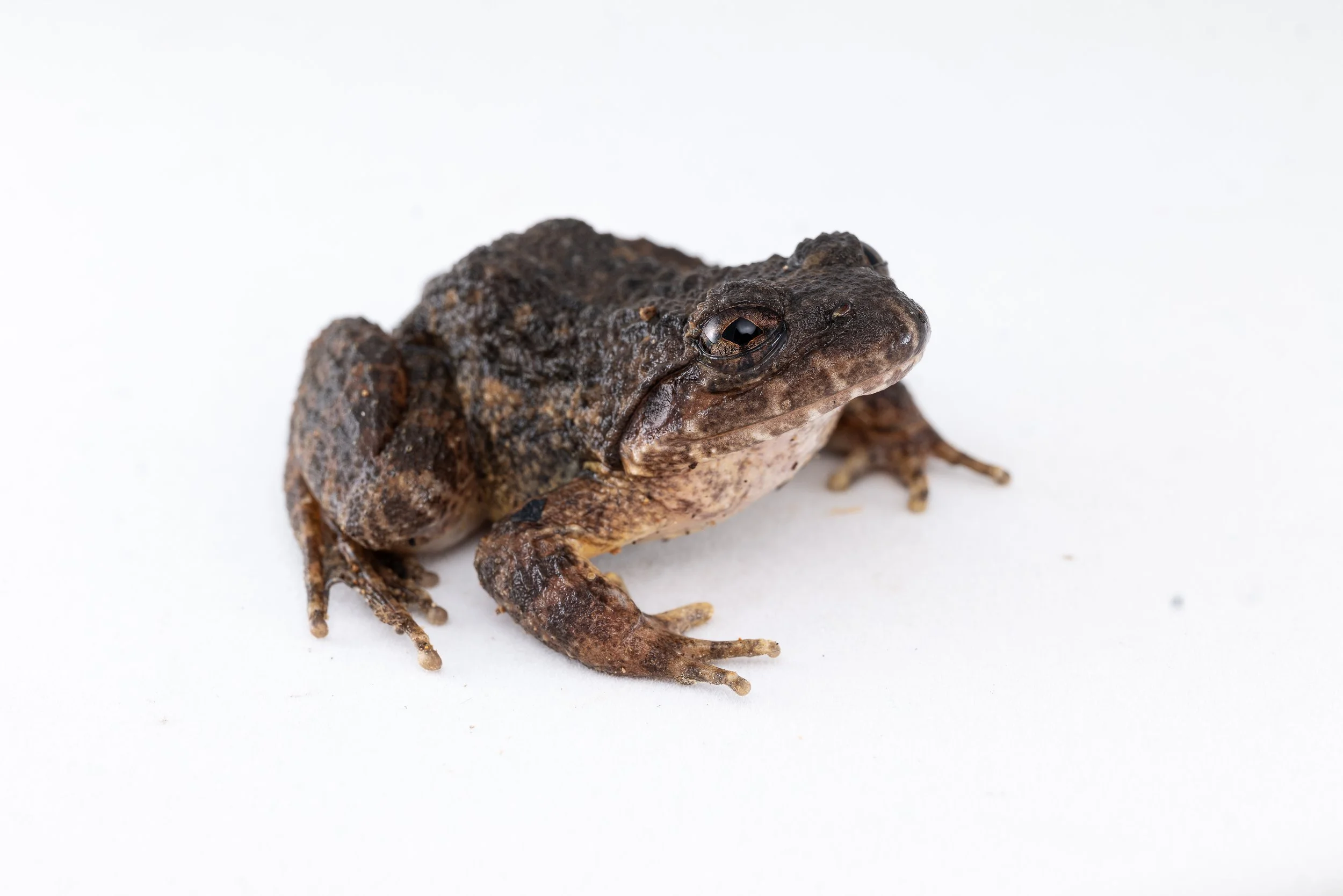
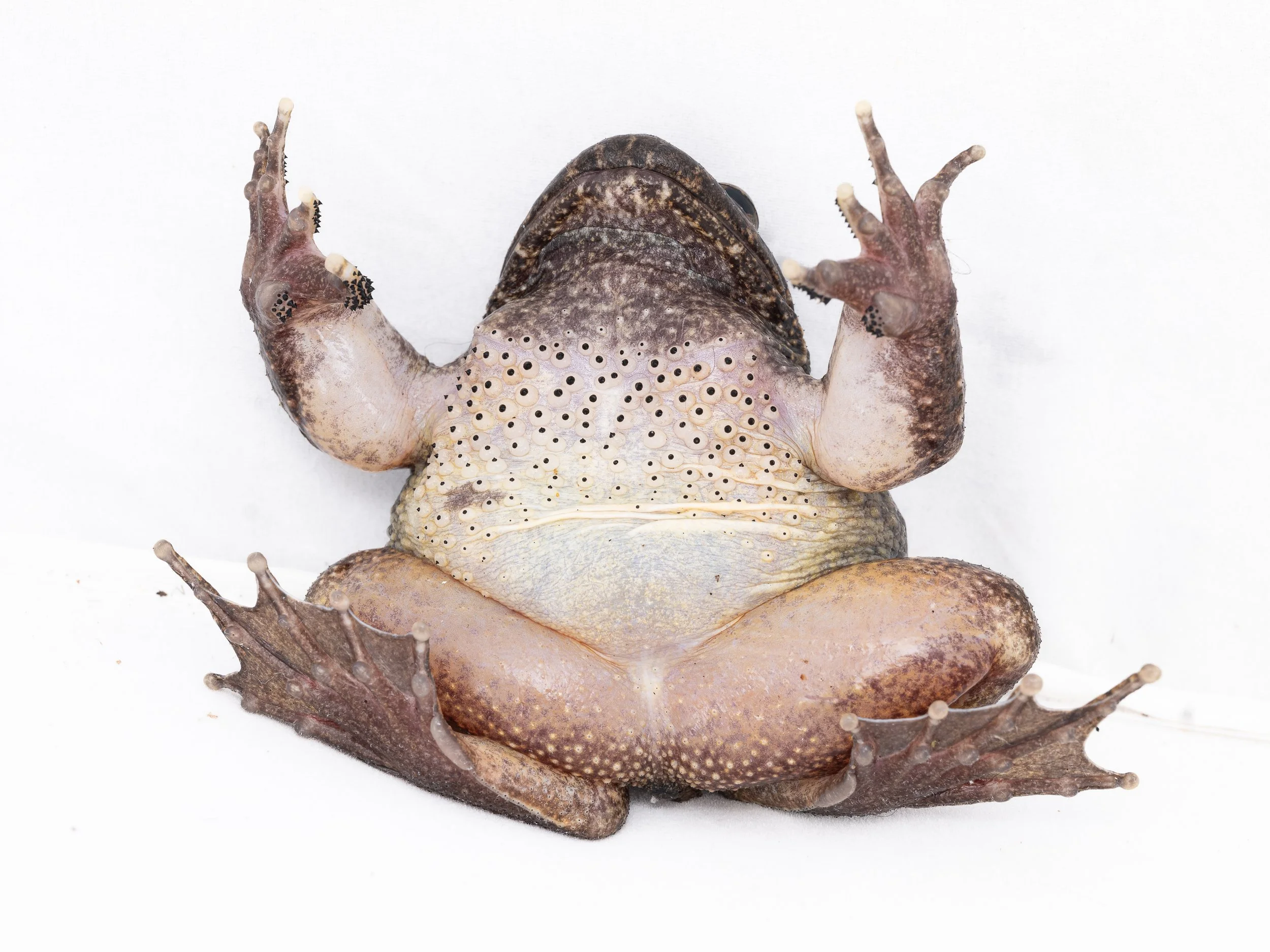
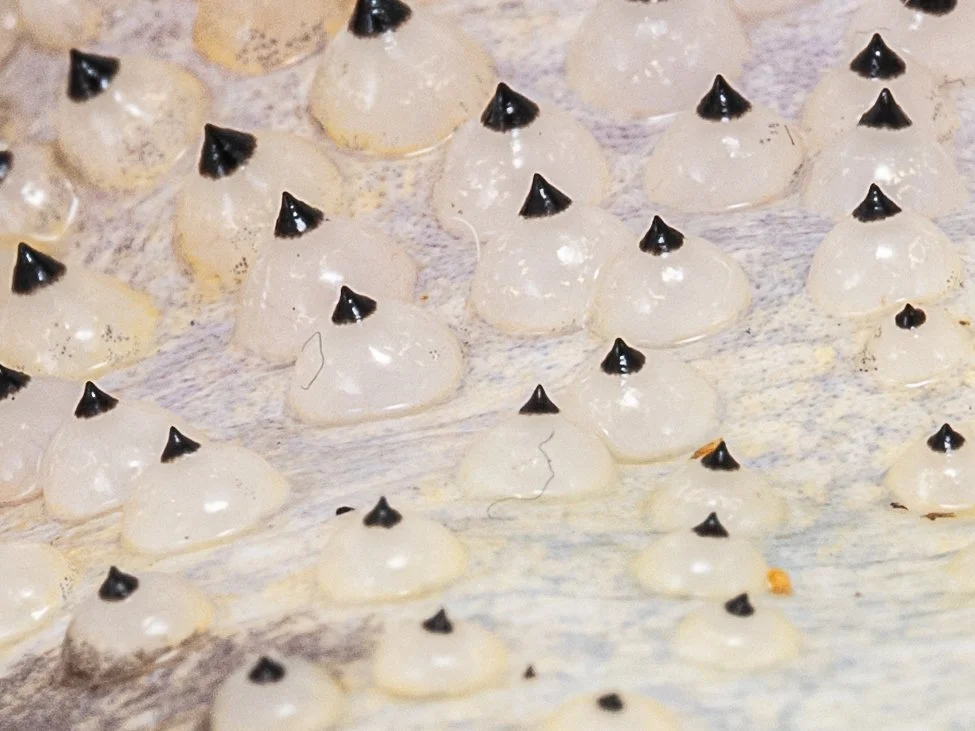
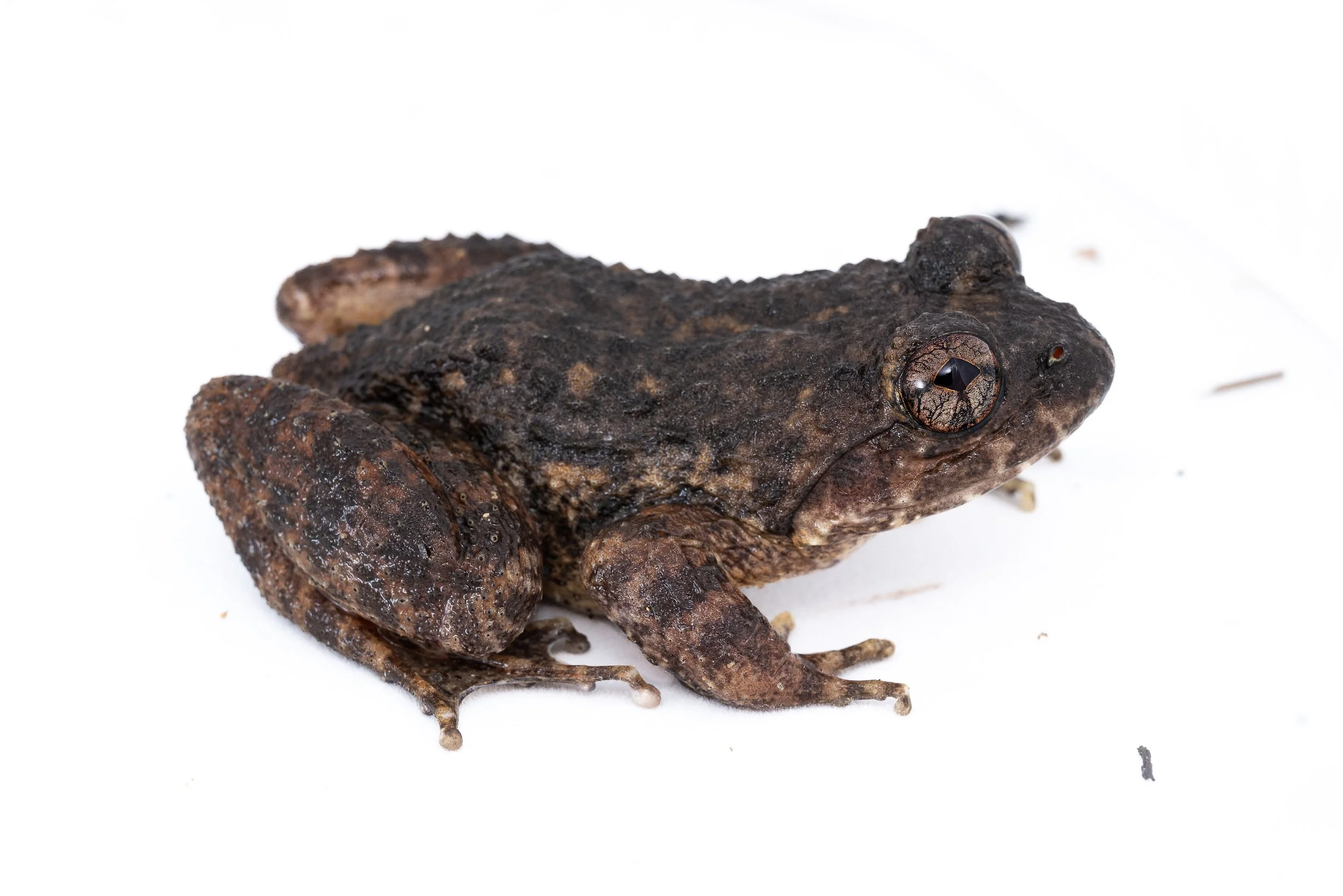
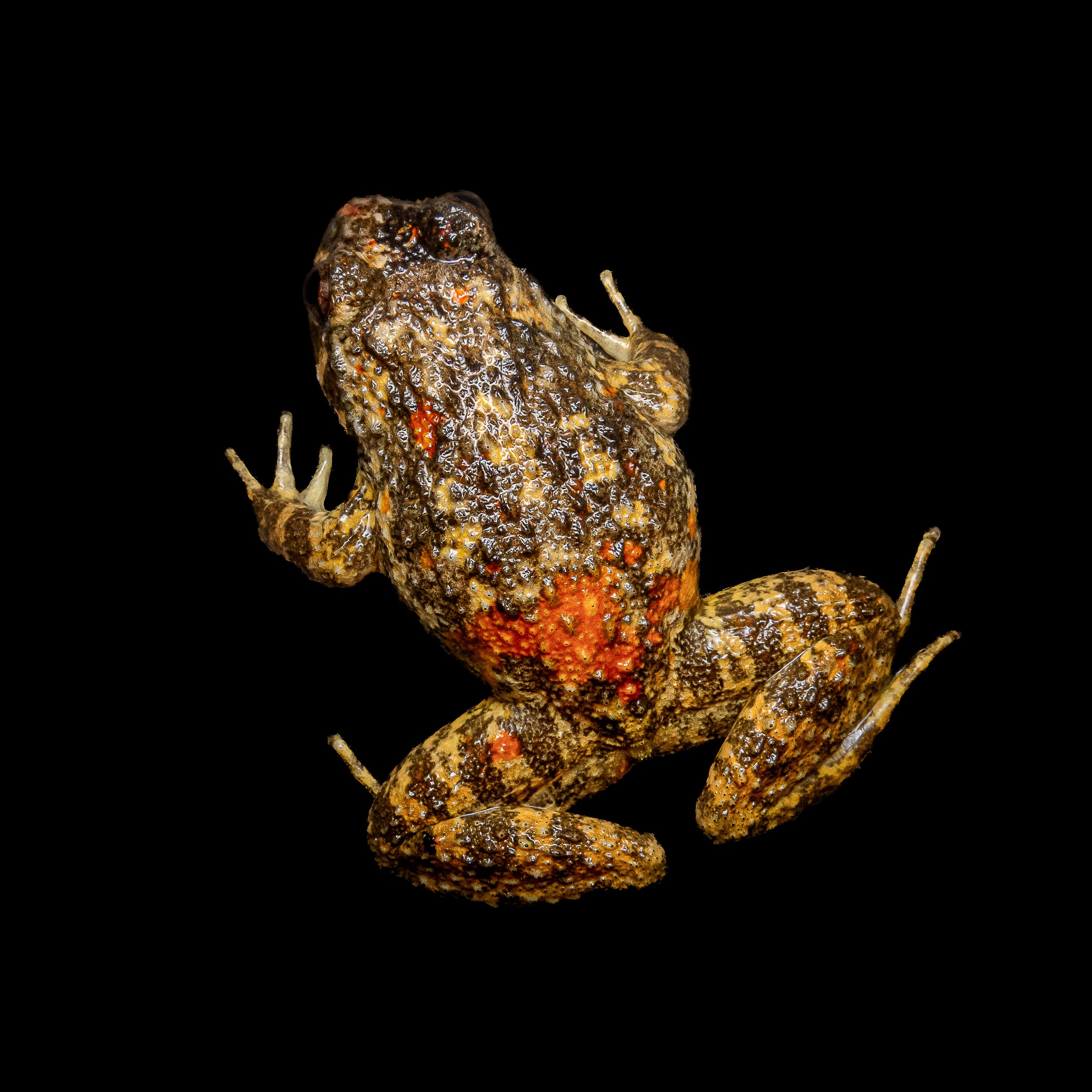
KEY ID FEATURES: Brown or orange with dark brown markings, covered in tubercles and granules, light stripe on tip of snout, males with black spines on chest and forelimbs during mating season
SIZE: ~7cm
IUCN: LC - Least Concern
GALLERY
IMPORTANT: Many frogs have significant variance in coloration and pattern even within the same species. There can also be extreme differences in appearance from juveniles to adults and some species appear very similar in maturity.
DESCRIPTION
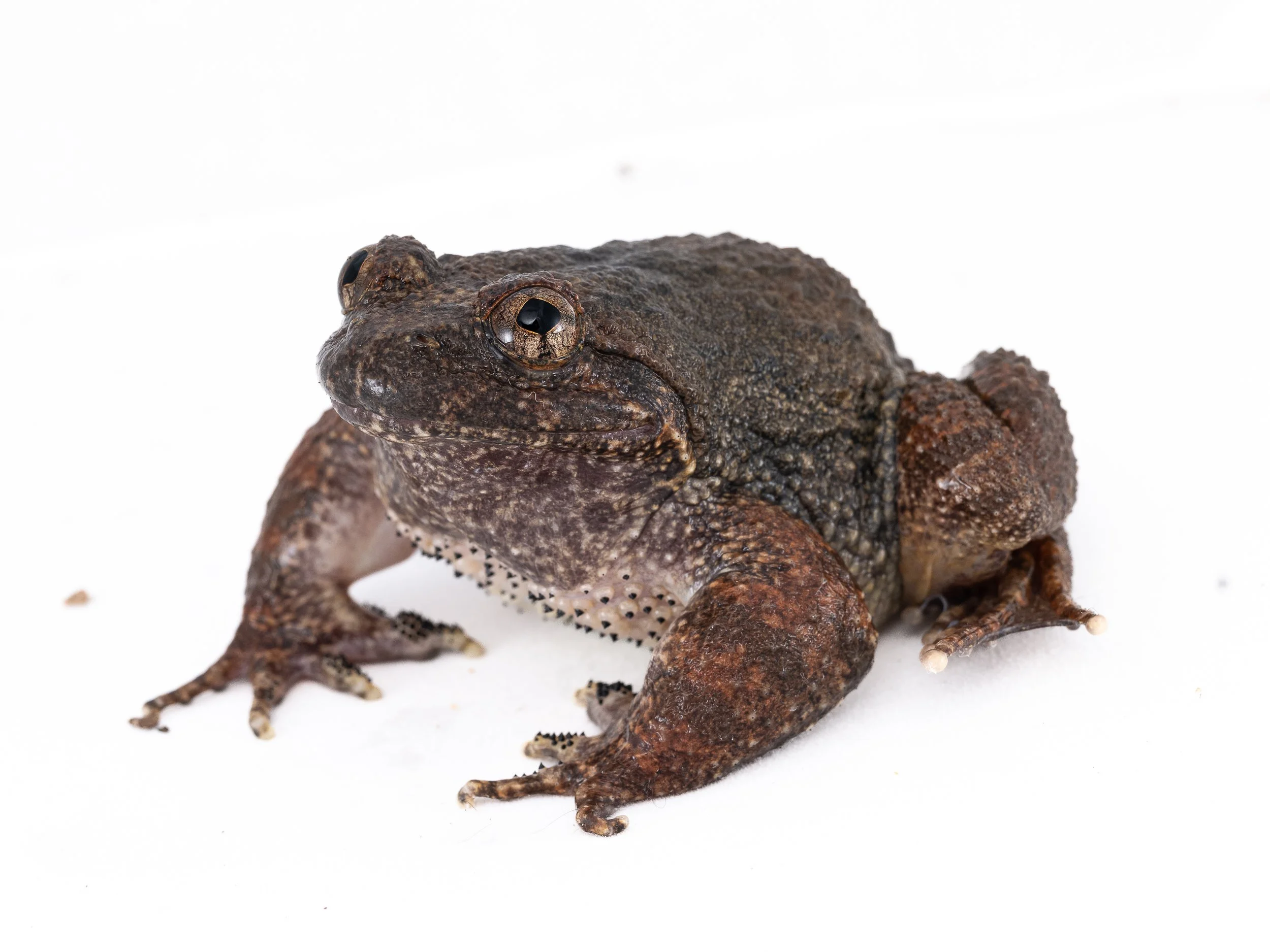
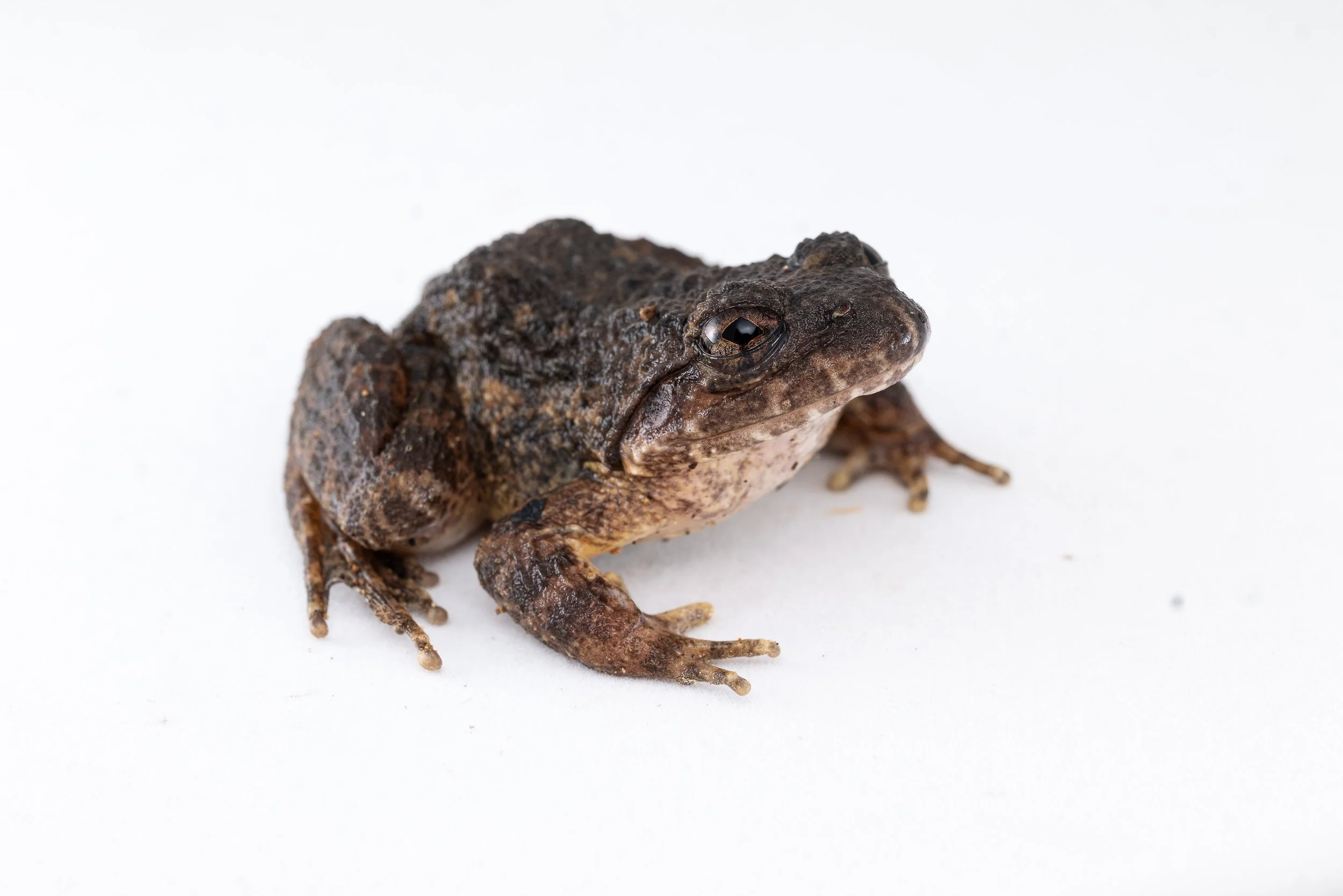
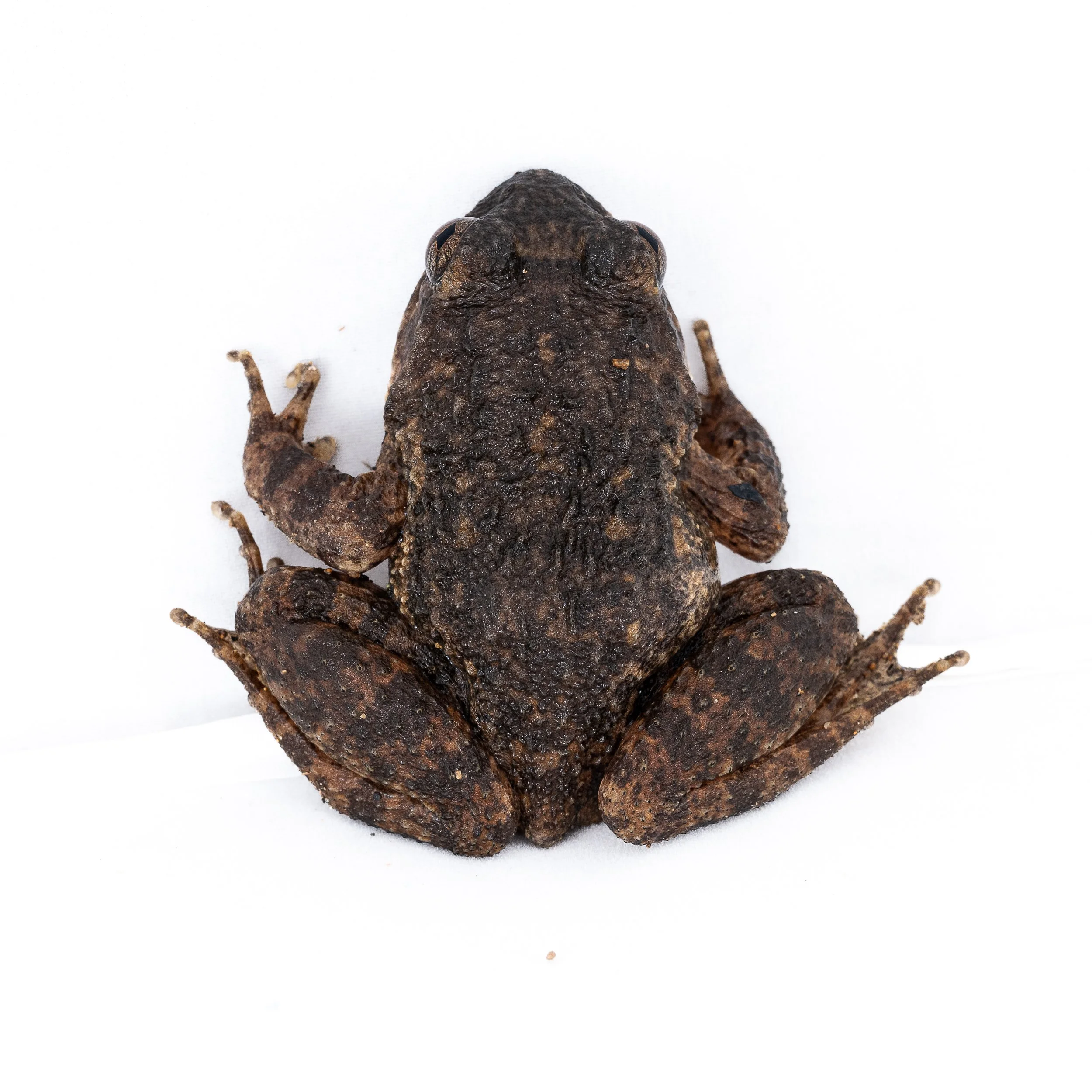
The lesser spiny frog ranges in color from orange or yellow with dark blotches to dark brown with darker brown blotches. Some individuals may also be very dark in color and have very low pattern with blotches difficult to discern. The head at its widest point is approximately as wide as or slightly more narrow than the body. The body is covered in granules and tubercles. The tympanum is visible but not obvious. Fore and hindlimbs have dark bands, usually unbroken and complete on the dorsal portion of each limb. The distance from the front of the eye to the tip of the snout is approximately one times the diameter of the eye. Most individuals will have a thin stripe positioned vertically in the middle of the snout starting at the mouth and terminating between the nostrils. Eyes have a characteristic cross shape with copper colored iris being common.
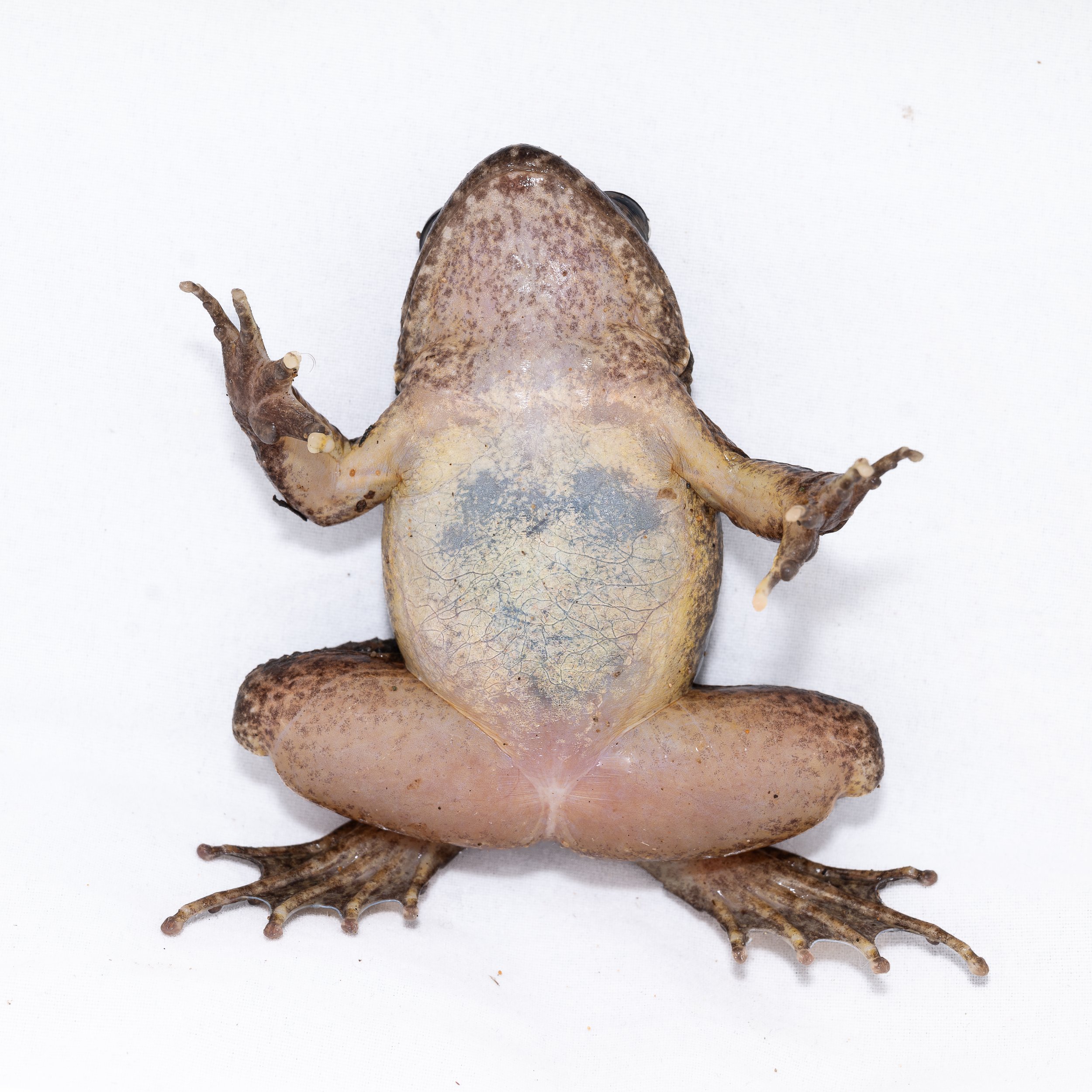
The lesser spiny frog has a light yellow venter with brown mottling under the chin, or in the case of some specimens, the the brown becomes almost complete with small flecks of white or light yellow. In addition to coloration, during the breeding season, male lesser spiny frogs develop obvious black spines on the chest, forelimbs and the digits on the forelimb. These spines aide the males in their attempt to latch on to the females during amplexus.
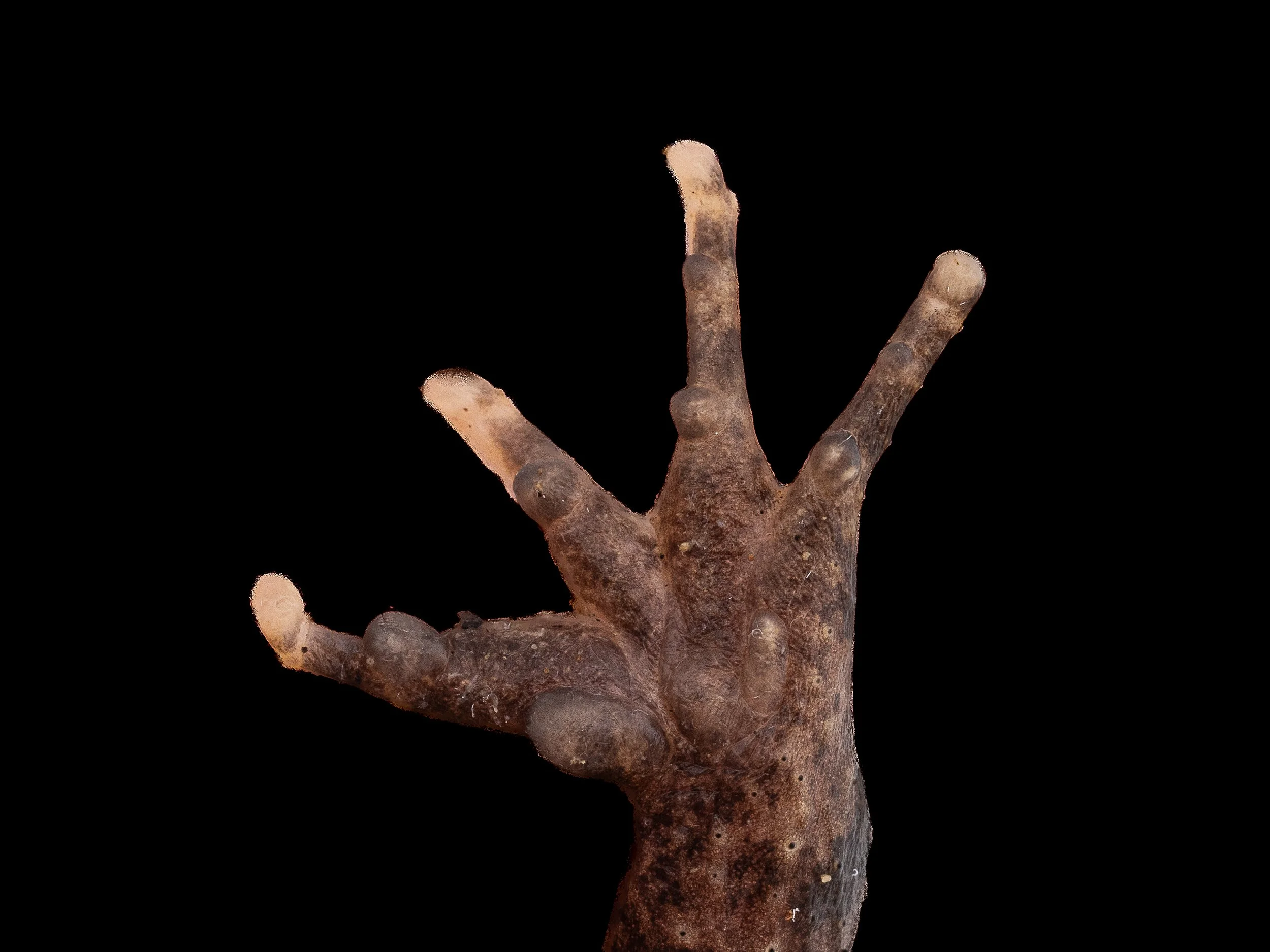
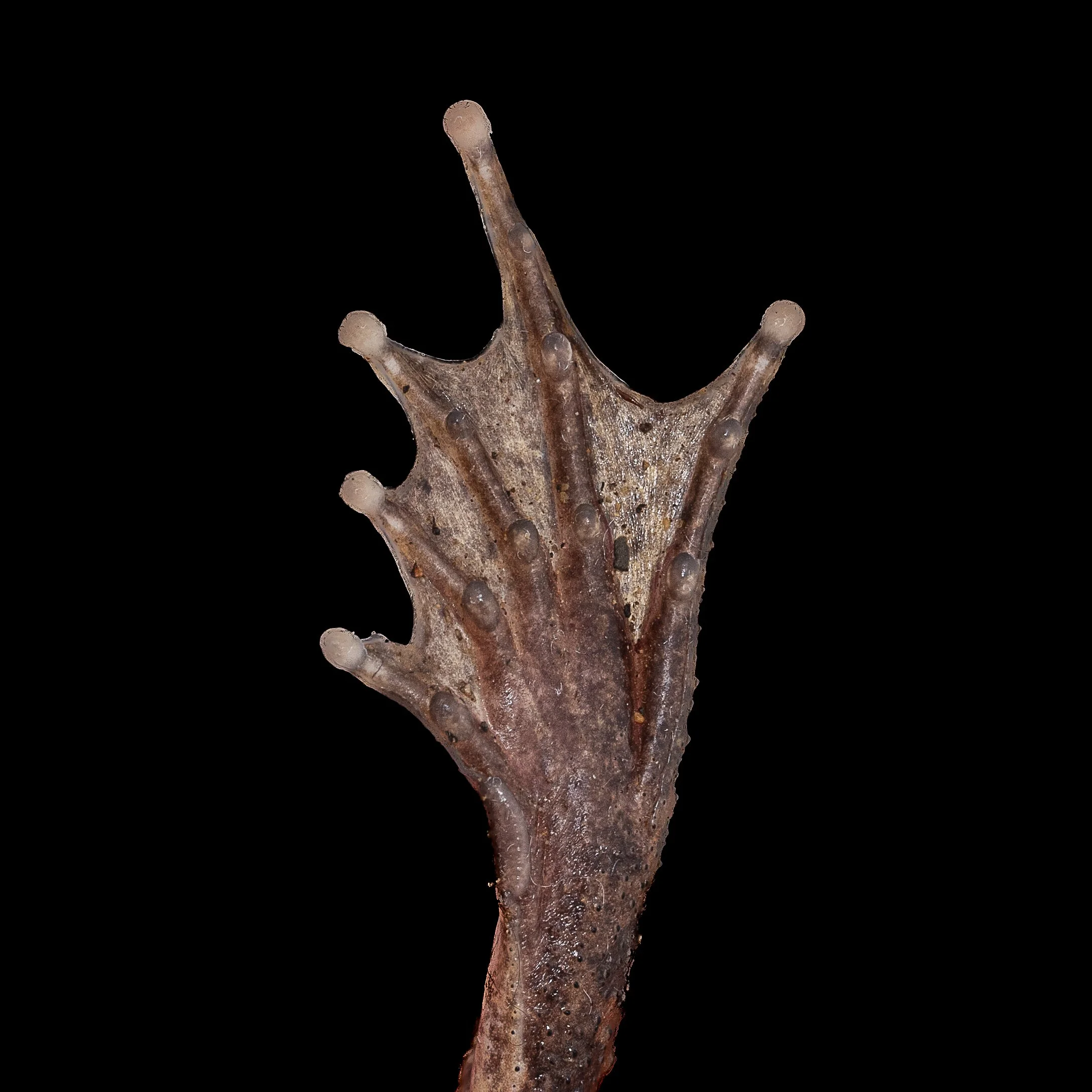
They have four digits on the forelimbs, absent webbing with the second digit proportionally shorter. Digits on the hindlimbs are completely webbed aside from the fourth digit which extends past the webbing.
HABITAT
The lesser-spiny frog prefers clear flowing streams as its habitat and can be found from large mountain streams at mid to high elevations, to tiny streams near sea level.
MISTAKEN IDENTITY
CAUTION SHOULD TAKEN WHEN INTERACTING WITH AMPHIBIANS: The lesser spiny frog can be easily confused with both the giant spiny frog and the big-headed frog. They are distinguishable from the big-headed frog most notably by the presence of a small stripe on the center of the snout, and additionally by the shorter distance between the eye and tip of the snout. Male big-headed frogs also have a head that is wider than their bodies. The most obvious difference with the giant spiny frog is size at maturity with the giant spiny frog being more than twice the size of a mature lesser spiny frog. The feet on the hindlimb are also almost always completely webbed, as opposed to the lesser spiny frog where the fourth digit consistently extends beyond the webbing. The lesser spiny frog also has a rougher skin texture with more obvious densely arranged tubercles and granules on the posterior, which helps to differentiate it from both the big-headed frog and the giant spiny frog, the latter of which has rugose skin virtually free of granules or tubercles.